
 Save to Pinterest
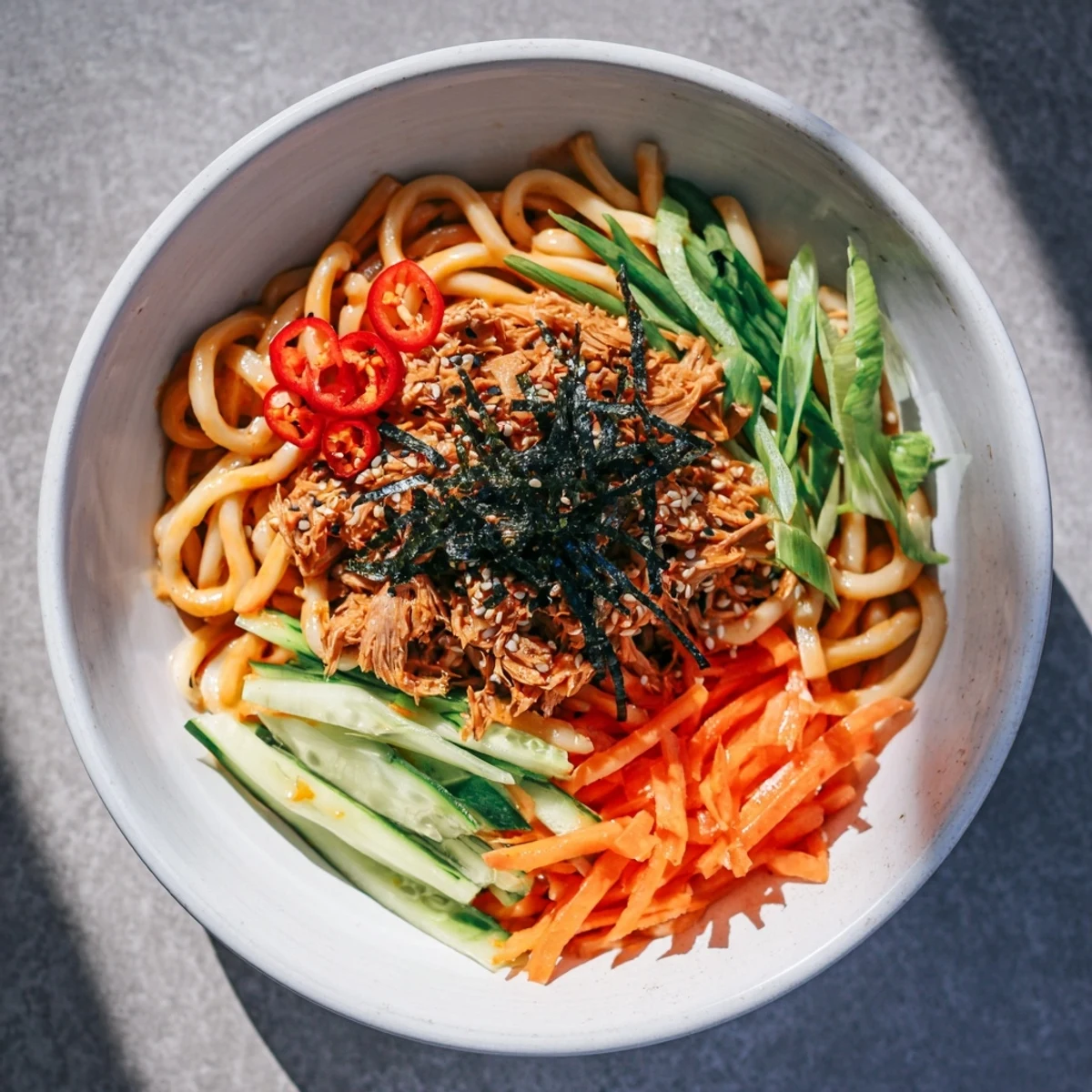
 This vibrant noodle dish combines thick, chewy udon with a creamy spicy tuna sauce. The sauce blends mayonnaise, Sriracha, soy sauce, and sesame oil for a rich, tangy flavor with gentle heat. Fresh julienned carrots, cucumber, and spring onions add crisp texture and brightness.
Ready in just 25 minutes, this bowl comes together quickly. Cook the noodles, mix up the sauce, and toss everything together. Top with toasted sesame seeds, nori, and fresh chili for extra flair.
The dish works beautifully served chilled or at room temperature, making it ideal for meal prep or warm weather dining. Adjust the Sriracha to your preferred spice level, and consider adding a soft-boiled egg for extra protein.
The steam from the pot fogged up my kitchen window on a Tuesday evening when I had exactly twenty five minutes between a work call and a yoga class I would inevitably skip. I found udon noodles in the back of the fridge, a lone can of tuna in the pantry, and a bottle of Sriracha that was almost empty but not quite. What happened next was one of those beautiful kitchen accidents that rewires your weeknight dinner rotation for good. That bowl of spicy, saucy noodles was so satisfying I actually canceled my plans just to make a second helping.
My roommate walked in just as I was tossing the noodles and stood in the doorway with that particular look that means she wants to eat whatever is in the bowl. I split it anyway, and she now texts me most Sundays asking if the spicy tuna udon is happening this week.
Ingredients
- 200 g fresh or frozen udon noodles: Fresh udon has that chewy, bouncy texture that makes the dish feel restaurant quality, but frozen works beautifully too.
- 120 g canned tuna in water, drained: Canned tuna is the convenient choice here, just drain it well so your sauce does not get watery.
- 1/2 cup julienned carrot: Thin strips give you crunch without fighting the noodles.
- 1/2 cup thinly sliced cucumber: Cooling freshness that balances the heat perfectly.
- 2 spring onions, sliced: A sharp, bright bite scattered on top.
- 1 tablespoon pickled ginger, finely chopped: Optional but it adds a tangy sweetness that lifts the whole bowl.
- 2 tablespoons mayonnaise (preferably Japanese Kewpie): Kewpie is richer and slightly sweeter than regular mayo, which makes a real difference here.
- 1 tablespoon Sriracha: Adjust up or down depending on your heat tolerance and mood.
- 1 tablespoon soy sauce: The salty umami backbone of the sauce.
- 1 teaspoon sesame oil: A little goes a long way and gives that toasted, nutty aroma.
- 1 teaspoon rice vinegar: Just enough acidity to wake everything up.
- 1/2 teaspoon sugar: Rounds out the heat and ties the sauce together.
- 1 tablespoon toasted sesame seeds: For garnish and a subtle crunch.
- 1 sheet nori, torn into small pieces: Scattered on top for briny, oceanic depth.
- Fresh chili slices: Totally optional for those who want to turn the dial up.
Instructions
- Boil the noodles:
- Cook the udon according to the package directions, then drain and rinse under cold water until the noodles feel cool and slippery between your fingers.
- Build the spicy tuna sauce:
- In a mixing bowl, combine the drained tuna, mayonnaise, Sriracha, soy sauce, sesame oil, rice vinegar, and sugar, stirring until it looks like a creamy, coral colored paste that smells incredible.
- Fold in the vegetables:
- Add the carrot, cucumber, spring onions, and pickled ginger to the bowl, mixing gently so you do not crush the tuna into mush.
- Toss everything together:
- Add the cooled udon noodles to the bowl and toss with tongs or chopsticks until every strand is coated and glistening with that spicy sauce.
- Plate and garnish:
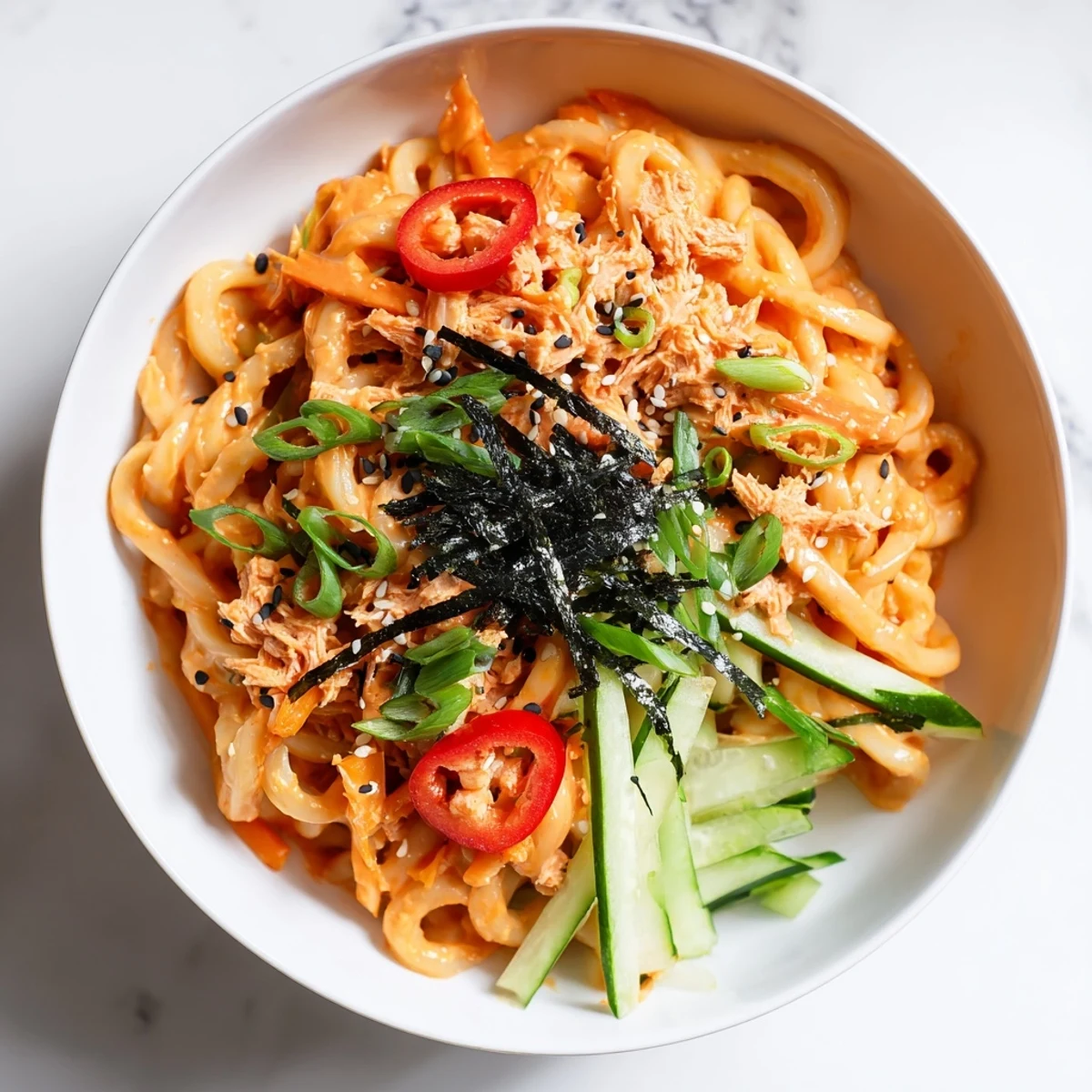
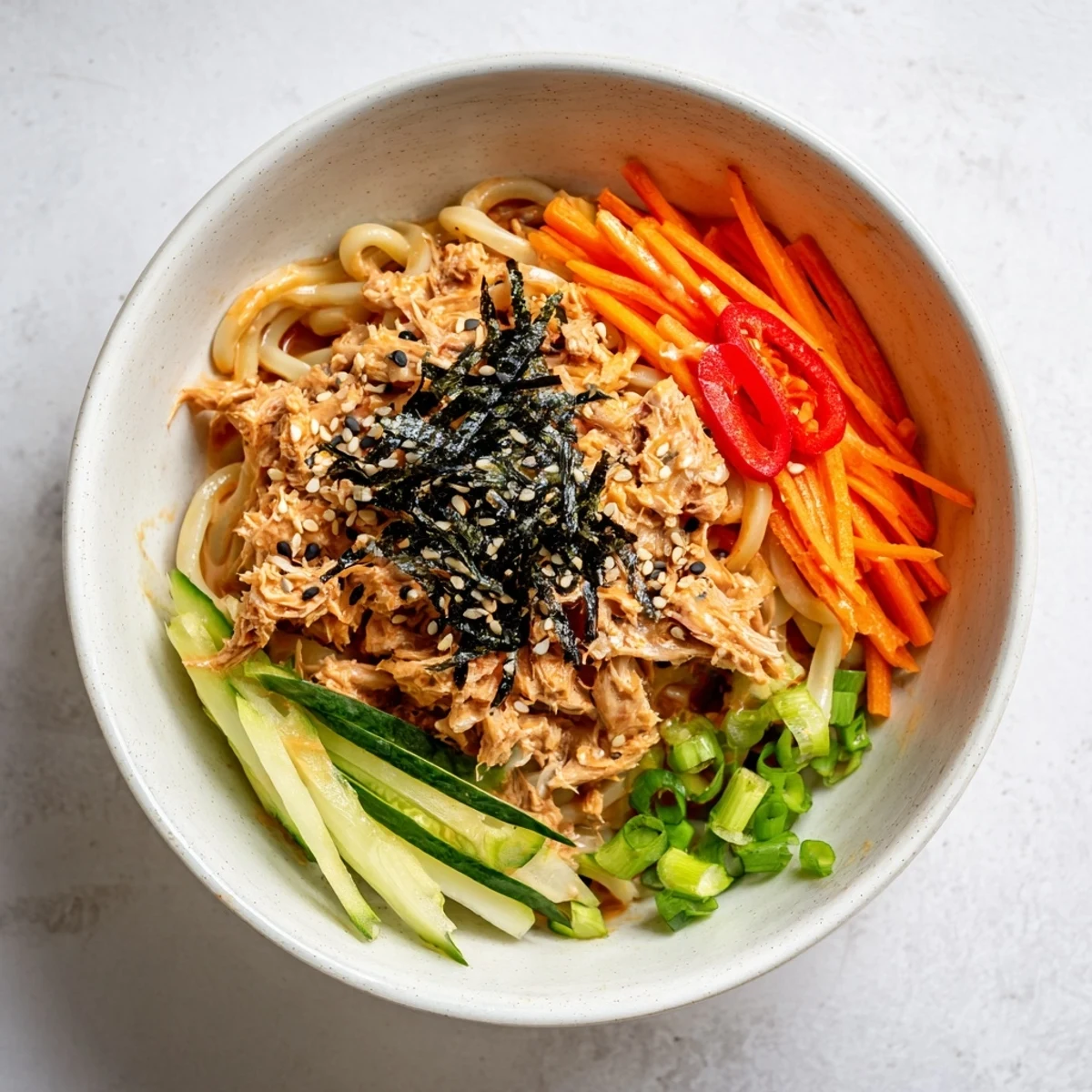
- Divide between two bowls, then scatter sesame seeds, torn nori pieces, and fresh chili slices over the top so it looks as good as it smells.
- Serve immediately:
- Enjoy it chilled or at room temperature, ideally with chopsticks and cold drink nearby.
 Save to Pinterest
 The night I brought this to a friend's rooftop potluck, three people asked for the recipe and one person ate the leftover portion I was quietly saving for myself. Ipretended not to notice and felt oddly proud.
Making It Your Own
I have swapped the cucumber for shredded cabbage when I wanted more bite, and once used leftover grilled salmon instead of tuna with surprisingly great results. The sauce is forgiving enough that you can play with the ratios, more Sriracha on cold nights, a squeeze of extra lime when summer tomatoes appear.
What to Serve Alongside
A cold glass of dry sake or a crisp Pinot Grigio turns this into a proper meal worth sitting down for. On busier nights, a quick miso soup on the side makes it feel complete without any extra effort.
Storing Leftovers
The noodles absorb the sauce as they sit, so leftovers the next day are thicker and almost like a cold noodle salad, which I actually love. If you are meal prepping, keep the sauce and noodles separate until you are ready to eat for the best texture.
- Store in an airtight container in the fridge for up to one day.
- Give it a quick toss with a splash of soy sauce to wake it up before eating.
- Do not freeze because the mayonnaise based sauce will separate and the noodles will lose their chew.
 Save to Pinterest
 Some recipes earn a permanent spot in your kitchen not because they are fancy, but because they show up for you on the nights you need them most. This is one of those, and I hope it finds its way into your weeknight rotation too.
Recipe FAQs
- → Can I use fresh tuna instead of canned?
-
Yes, you can substitute canned tuna with cooked fresh tuna that's been flaked. Grill, pan-sear, or poach the tuna first, then break it into pieces before mixing with the sauce. Fresh tuna adds a slightly firmer texture and more delicate flavor.
- → How do I store leftovers?
-
Store in an airtight container in the refrigerator for up to 2 days. The noodles may absorb more sauce over time, so you might want to reserve a little extra sauce to refresh before serving. This dish is actually delicious served cold.
- → Can I make it less spicy?
-
Absolutely. Reduce the Sriracha to ½ teaspoon or omit it entirely for a mild version. You can add a touch more mayonnaise or a splash of rice vinegar to balance the flavors. The dish remains tasty without the heat.
- → What other vegetables work well?
-
Bell peppers, shredded cabbage, bean sprouts, edamame, or thinly sliced radishes all complement the flavors. Avocado adds creaminess that pairs beautifully with the spicy tuna sauce. Use whatever fresh, crisp vegetables you enjoy.
- → Is there a substitute for udon noodles?
-
Soba noodles, ramen, or even spaghetti can work in a pinch. However, udon's thick, chewy texture specifically balances the rich sauce. If substituting, cook the noodles al dente since thinner noodles absorb sauce more quickly.
- → Can I make this dairy-free?
-
Use a dairy-free mayonnaise or substitute with Greek yogurt for a lighter option. Most other ingredients are naturally dairy-free. Double-check your mayonnaise brand if you have specific dietary concerns.