
 Save to Pinterest
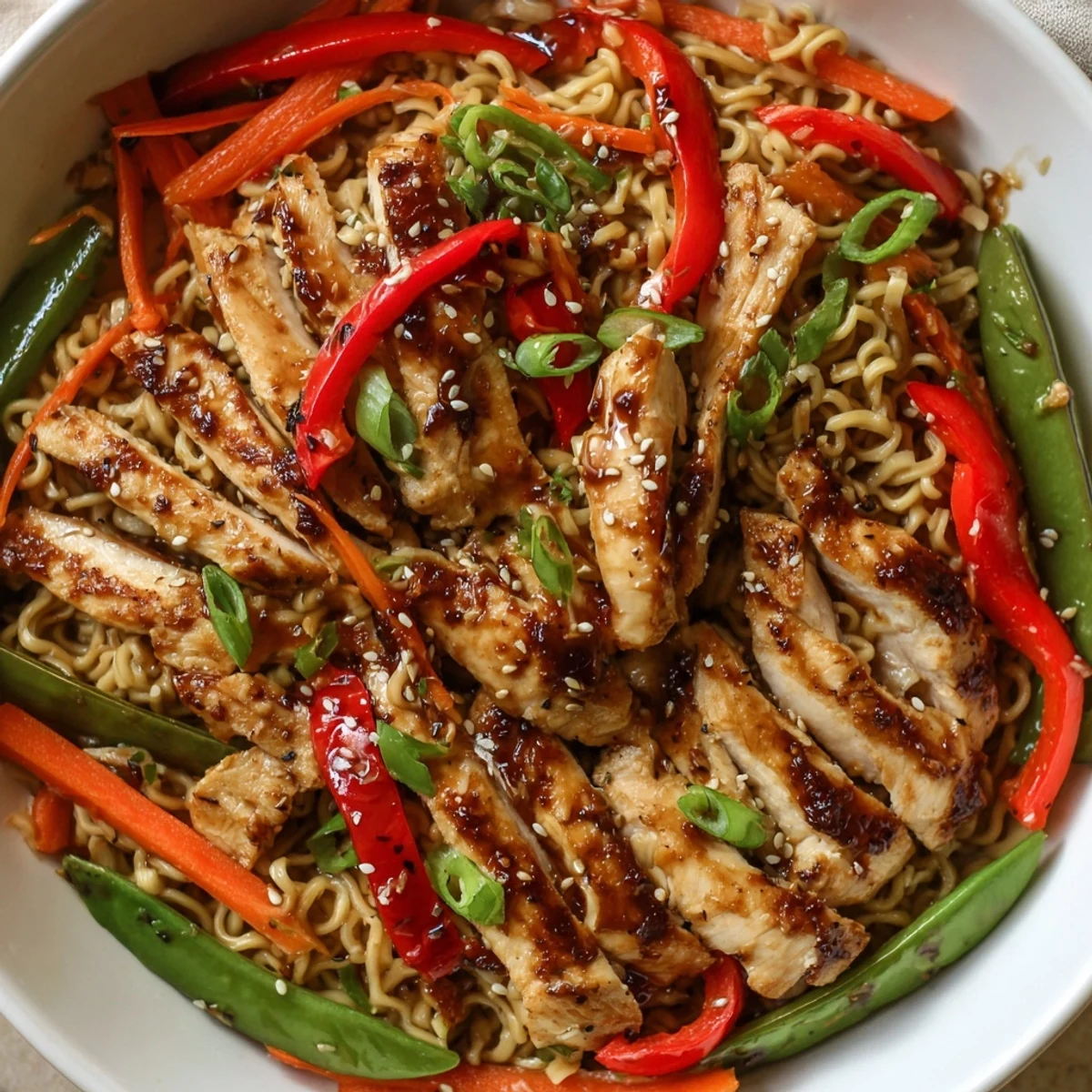
 This stir-fry pairs thinly sliced chicken with instant ramen, vibrant bell pepper, snap peas and julienned carrots. Quick-cooking noodles are tossed into a glossy soy-oyster-hoisin sauce thickened with a touch of cornstarch. Stir-fry over high heat for caramelized edges, finish with sesame oil, toasted seeds and sliced green onions for crunch. Swap proteins or veg for variation.
The smell of garlic hitting a smoking wok on a Tuesday night is enough to make anyone forget it is only Tuesday. I threw this stir fry together once when the fridge was nearly bare and a packet of instant ramen was the only thing standing between me and a sad bowl of cereal for dinner. It has since become the meal I reach for when I want something fast that still feels like I tried. The sauce alone is worth memorizing.
I made a double batch of this for a friend who had just moved into a new apartment with nothing but a wok and two mismatched plates. We sat on the kitchen floor eating straight from the pan because the dining table was still in boxes, and she looked at me like I had invented fire.
Ingredients
- 2 boneless skinless chicken breasts (about 350 g), thinly sliced: Slice against the grain and slightly freeze the chicken first for paper thin pieces that cook in seconds.
- 2 packs instant ramen noodles (about 180 g), seasoning packets discarded: The noodles are just a blank canvas here, so save those little foil packets for another day.
- 1 red bell pepper, thinly sliced: Red adds sweetness and a pop of color that makes the whole dish look intentional.
- 1 cup snap peas (100 g), trimmed: Leave them whole for a satisfying snap in every bite.
- 2 medium carrots, julienned: Cut them as thin as you can manage so they cook at the same rate as the pepper.
- 2 green onions, sliced: Separate the white parts for cooking and save the green for garnish.
- 2 cloves garlic, minced: Fresh garlic only, jarred mince will not give you the same fragrant payoff.
- 1 tbsp fresh ginger, grated: Use a microplane and freeze your ginger beforehand so it grates into a fine paste.
- 1/4 cup low sodium soy sauce (60 ml): Low sodium lets you control the salt level without losing that deep umami base.
- 2 tbsp oyster sauce: This is the secret weapon that makes everything taste like it came from a restaurant kitchen.
- 1 tbsp hoisin sauce: A little goes a long way, adding body and a gentle sweetness.
- 1 tbsp honey or brown sugar: Honey dissolves faster but either works to round out the salty edges.
- 2 tsp sesame oil: Toasted sesame oil is a finishing oil, so do not skip it.
- 1/4 cup chicken broth or water (60 ml): Broth adds another layer of flavor, but water works fine in a pinch.
- 1/2 tsp cornstarch: This tiny amount is all you need to turn a thin sauce into something glossy and clingy.
- 1 tbsp toasted sesame seeds: Toast them in a dry pan for thirty seconds and watch carefully because they burn fast.
Instructions
- Get the noodles ready:
- Cook the ramen according to the package directions, drain well, and toss them with a few drops of sesame oil so they do not stick together while you handle everything else.
- Whisk the sauce together:
- Combine soy sauce, oyster sauce, hoisin, honey, sesame oil, broth, and cornstarch in a small bowl and whisk until the cornstarch disappears completely with no lumps at the bottom.
- Sear the chicken:
- Heat your wok over medium high until it just starts to smoke, add oil, then spread the chicken in a single layer and let it sit undisturbed for a minute before stirring so it gets real color.
- Toss the vegetables:
- In the same pan with all those leftover chicken bits, add the garlic, ginger, pepper, snap peas, and carrots, keeping everything moving so the garlic does not burn.
- Bring it all home:
- Slide the chicken back in, add the noodles, pour the sauce over everything, and toss with tongs for two to three minutes until every noodle is coated and glossy.
- Finish and serve:
- Kill the heat, shower with sesame seeds and green onion tops, and get it to the table immediately because this dish waits for no one.
 Save to Pinterest
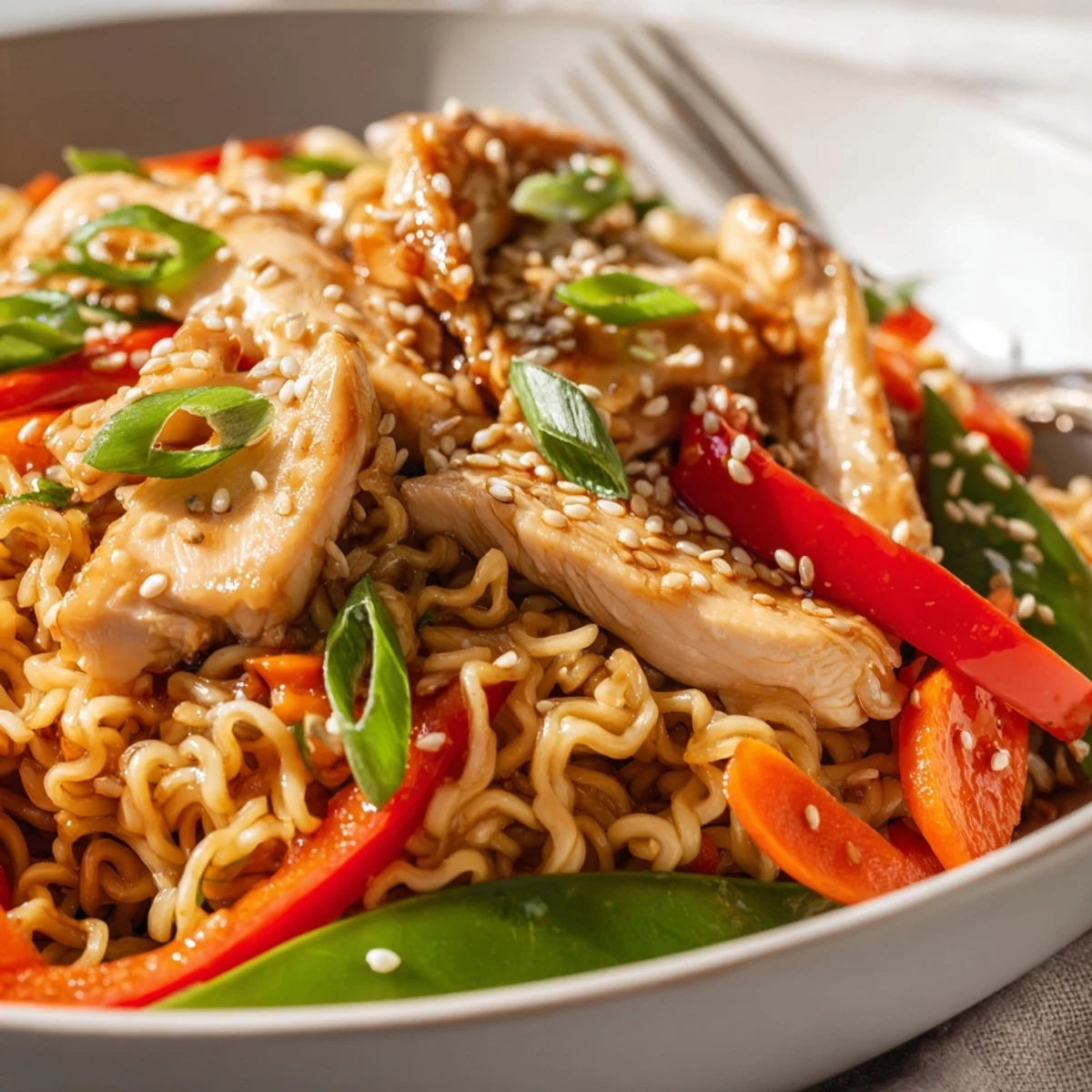
 There is something about the sound of sauce hitting a hot wok and instantly bubbling into a glaze that makes a weeknight feel like an event.
Making It Your Own
This recipe is forgiving in the best way. Toss in broccoli florets, sliced mushrooms, or a handful of bean sprouts if that is what you have. You can swap the chicken for thinly sliced beef, large shrimp, or pressed tofu and follow the exact same method with only a timing adjustment. The sauce works across all of them without changes.
Handling the Heat
If you like things spicy, add a tablespoon of sriracha to the sauce or a teaspoon of chili flakes when you cook the garlic and ginger. A squirt of lime juice at the very end also brightens the whole dish and cuts through the richness in a way that surprises people every time.
Leftovers and Reheating
This stir fry is best the moment it leaves the wok, but leftovers keep well in the fridge for two days if you store the noodles separately from any extra sauce. Reheat in a skillet with a splash of water rather than a microwave, because direct heat brings the texture back to life.
- Toss the cold noodles in a pan with a little oil and they crisp up in spots, which is honestly even better than the first night.
- A fried egg on top of leftover ramen stir fry for lunch the next day is a move you will not regret.
- Never skip the garnish, because sesame seeds and green onion are what make it feel finished rather than just assembled.
 Save to Pinterest
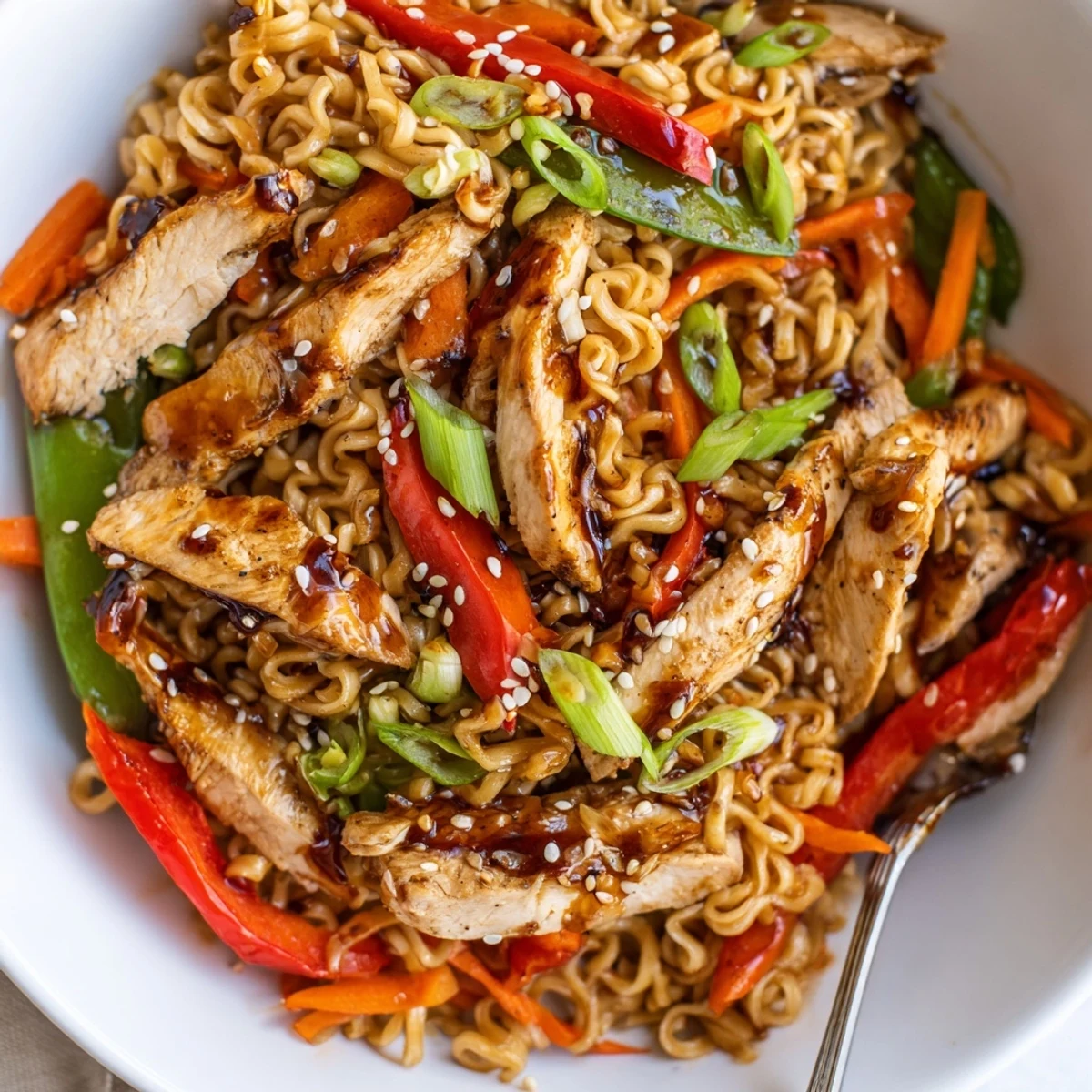
 Keep a wok within arm's reach and this recipe in your back pocket, and weeknight dinners will never feel like a chore again.
Recipe FAQs
- → Can I use fresh noodles instead of instant ramen?
-
Yes. Use fresh ramen or udon and briefly blanch; reduce stir time so noodles stay springy. If fresh noodles are thicker, separate them before adding to the wok to prevent clumping.
- → How do I prevent the sauce from becoming watery?
-
Whisk the cornstarch into the broth before adding. Add sauce toward the end over high heat and toss until it thickens and glazes the noodles, about 1–2 minutes.
- → What are good vegetable substitutions?
-
Broccoli florets, sliced mushrooms, baby corn, bok choy or thinly sliced zucchini work well. Add denser vegetables earlier and tender ones later for even cook.
- → How can I add heat without overpowering the dish?
-
Stir in chili flakes or a small drizzle of sriracha to the sauce, or serve with chili oil on the side so diners can control the spice level.
- → What's the best way to reheat leftovers?
-
Reheat gently in a skillet with a splash of broth or water to loosen the sauce. Toss briefly over medium-high heat until warmed through to avoid drying out the chicken and noodles.
- → Any tips for substituting the protein?
-
Tofu: press and pan-fry until golden. Shrimp: cook briefly until opaque. Thinly sliced beef: sear quickly over high heat. Adjust timing so each protein remains tender.