
 Save to Pinterest
 Omurice is a cherished Japanese comfort dish that combines two universal favorites: fried rice and fluffy omelette. Day-old short-grain rice is stir-fried with tender chicken, onions, and mixed vegetables, then seasoned with soy sauce and ketchup for a savory-sweet flavor profile.
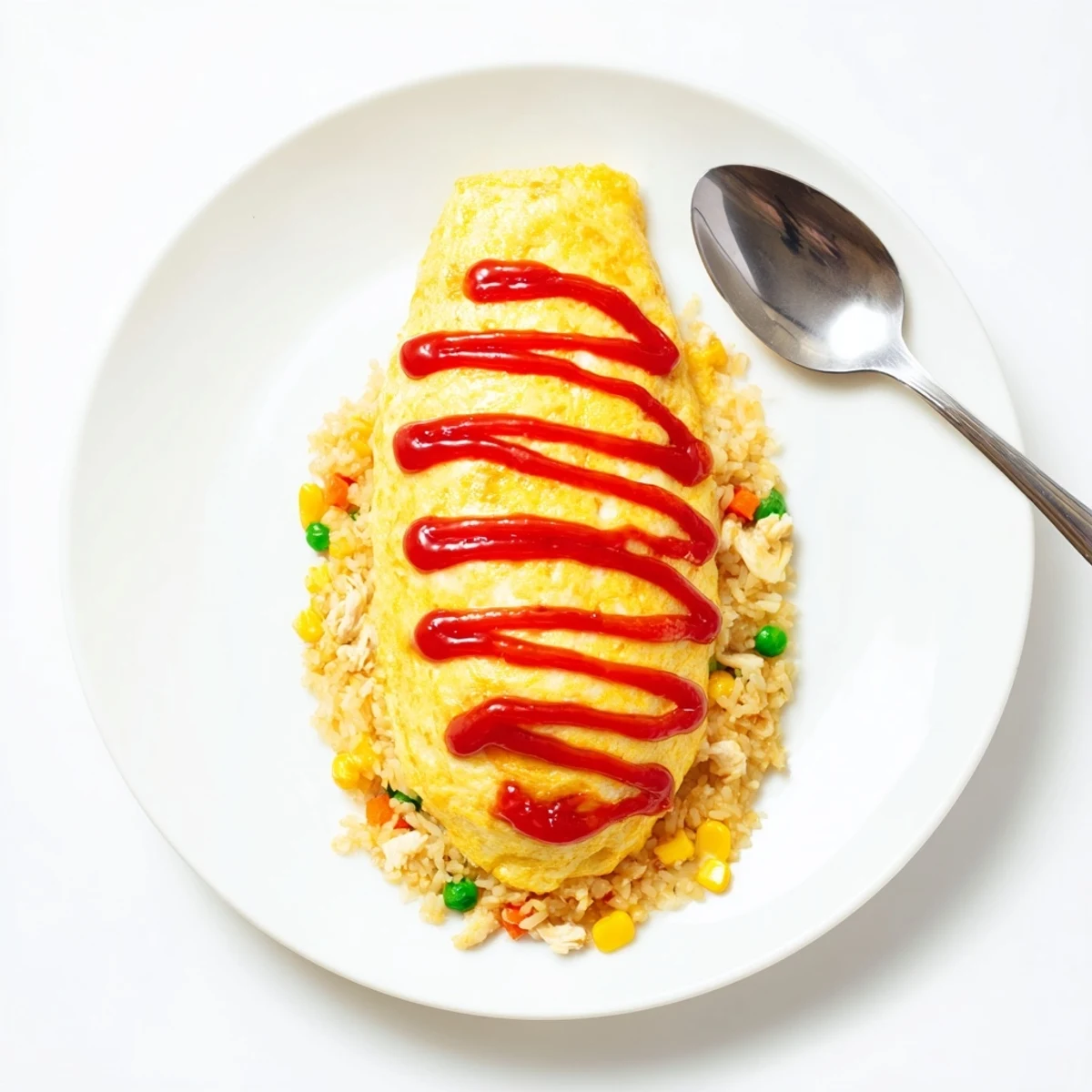
The fried rice is shaped into an oval mound, and a gently cooked omelette — still slightly custardy on top — is folded over it, creating a seamless golden envelope. A playful zigzag of ketchup across the finish adds a nostalgic touch.
Ready in just 30 minutes, it's a satisfying meal that appeals to both kids and adults, perfect for a quick weeknight dinner or a cozy weekend lunch.
I stood in my tiny Tokyo apartment kitchen, nervous but determined, trying to recreate that incredible omurice I'd had at a little café in Shinjuku. The rice turned out decent enough, but my omelette was a disaster—overcooked edges, rubbery texture, and it fell apart when I tried to fold it. Three years and dozens of attempts later, I finally understood the secret was patience with the heat and trusting the eggs.
My roommate walked in mid-experiment one evening, skeptical about ketchup in fried rice. She watched me fold the omelette, barely holding my breath, and when I slid it onto her plate with that satisfying squish, she took one bite and her eyes went wide. Now she requests this whenever she's had a particularly rough day at work.
Ingredients
- Japanese short-grain rice: The sticky texture is essential for holding everything together inside the omelette, and day-old rice grains separate better for frying
- Chicken thigh: Stays juicy and tender even after stir-frying, unlike breast which can dry out quickly
- Ketchup: Sounds unusual but this is the signature flavor that makes omurice taste like the real deal from Japanese cafes
- Eggs: Room temperature eggs blend more smoothly and cook more evenly for that silky texture
- Butter: Adds richness and helps the eggs slide effortlessly when folding
Instructions
- Crisp the chicken:
- Heat oil in a skillet over medium heat and cook chicken until golden and no longer pink, letting the pieces get nice color
- Build the flavor base:
- Add onion and garlic, sautéing until they're translucent and fragrant, then toss in frozen vegetables for 2 minutes
- Create the fried rice:
- Stir in the rice and fry until everything is well combined and heated through, then season with soy sauce, ketchup, salt, and pepper until the rice turns an appetizing reddish-orange
- Shape and rest:
- Remove from heat and form the rice into two neat oval mounds on a plate while keeping them warm
- Blend the eggs:
- Whisk eggs, milk, and salt until completely smooth and no streaks of white remain
- Start the omelette:
- Melt half the butter in a nonstick skillet over medium-low heat and pour in half the egg mixture, swirling to coat the pan evenly
- Cook with care:
- Use chopsticks to gently stir the eggs while cooking until just set but still slightly runny on top
 Save to Pinterest
 This dish became my go-to when I needed to comfort a friend who was studying abroad and homesick. The familiar flavors and the care put into presentation somehow made everything feel a little less overwhelming.
Making It Your Own
The beauty of omurice is its flexibility beyond the classic chicken version. I've made it with diced ham when that's what I had in the fridge, with shrimp for a fancier dinner, and even with crumbled tofu for a vegetarian friend. The technique stays the same—only the protein changes.
Getting That Restaurant-Style Look
The signature zigzag of ketchup on top isn't just for show—it adds a bright tangy kick that cuts through the rich eggs. I practice this on the side of the plate first if I'm serving guests, though honestly, a random squiggle tastes just as good as a perfect pattern.
What To Serve Alongside
A simple green salad with vinaigrette helps balance the richness, and miso soup makes the meal feel complete and authentic. Some people like pickled vegetables on the side for that acid contrast.
- Warm the plates before serving to keep the omelette silky longer
- Have all your toppings ready before starting the eggs
- Work quickly but calmly once the eggs hit the pan
 Save to Pinterest
 Theres something deeply satisfying about cutting into that golden pillow and watching the steam escape, carrying the scent of ketchup and butter and comfort.
Recipe FAQs
- → Can I use freshly cooked rice instead of day-old rice?
-
Day-old or chilled rice is strongly preferred because it has less moisture, allowing each grain to stay separate during stir-frying. Freshly cooked rice tends to clump and become mushy. If you're short on time, spread freshly cooked rice on a baking sheet and refrigerate for at least 20 minutes before using.
- → How do I get the omelette silky and slightly runny on top?
-
Cook the eggs over medium-low heat and gently stir with chopsticks as they set. The key is to remove the pan from heat while the surface is still slightly wet and custardy. Using milk in the egg mixture also helps achieve a softer, creamier texture. A nonstick skillet and butter are essential for easy release and rich flavor.
- → What can I substitute for chicken in omurice?
-
Ham, shrimp, or firm tofu are all popular substitutions. Dice them into small pieces just like the chicken so they cook quickly and distribute evenly throughout the rice. Each protein brings its own character — ham adds smokiness, shrimp adds sweetness, and tofu keeps it light and vegetarian-friendly.
- → Is omurice gluten-free?
-
Traditional omurice is not gluten-free due to the soy sauce and some ketchup brands that contain trace wheat. However, you can easily adapt it by using tamari or a certified gluten-free soy sauce and checking your ketchup label. All other ingredients — rice, eggs, chicken, and vegetables — are naturally gluten-free.
- → What should I serve with omurice?
-
A simple green salad with a light vinaigrette pairs beautifully, adding freshness to balance the richness. A small bowl of miso soup is another traditional accompaniment that rounds out the meal. Pickled vegetables or a side of steamed edamame also work well for a more complete Japanese-style spread.
- → Why is ketchup used in Japanese fried rice?
-
Ketchup became a popular seasoning in Japanese home cooking during the mid-20th century, influenced by Western cuisine. It adds a pleasant tanginess and mild sweetness that coats the rice evenly, giving it a warm orange-red color. Combined with soy sauce, it creates a uniquely Japanese flavor profile that's both comforting and deeply savory.