
 Save to Pinterest
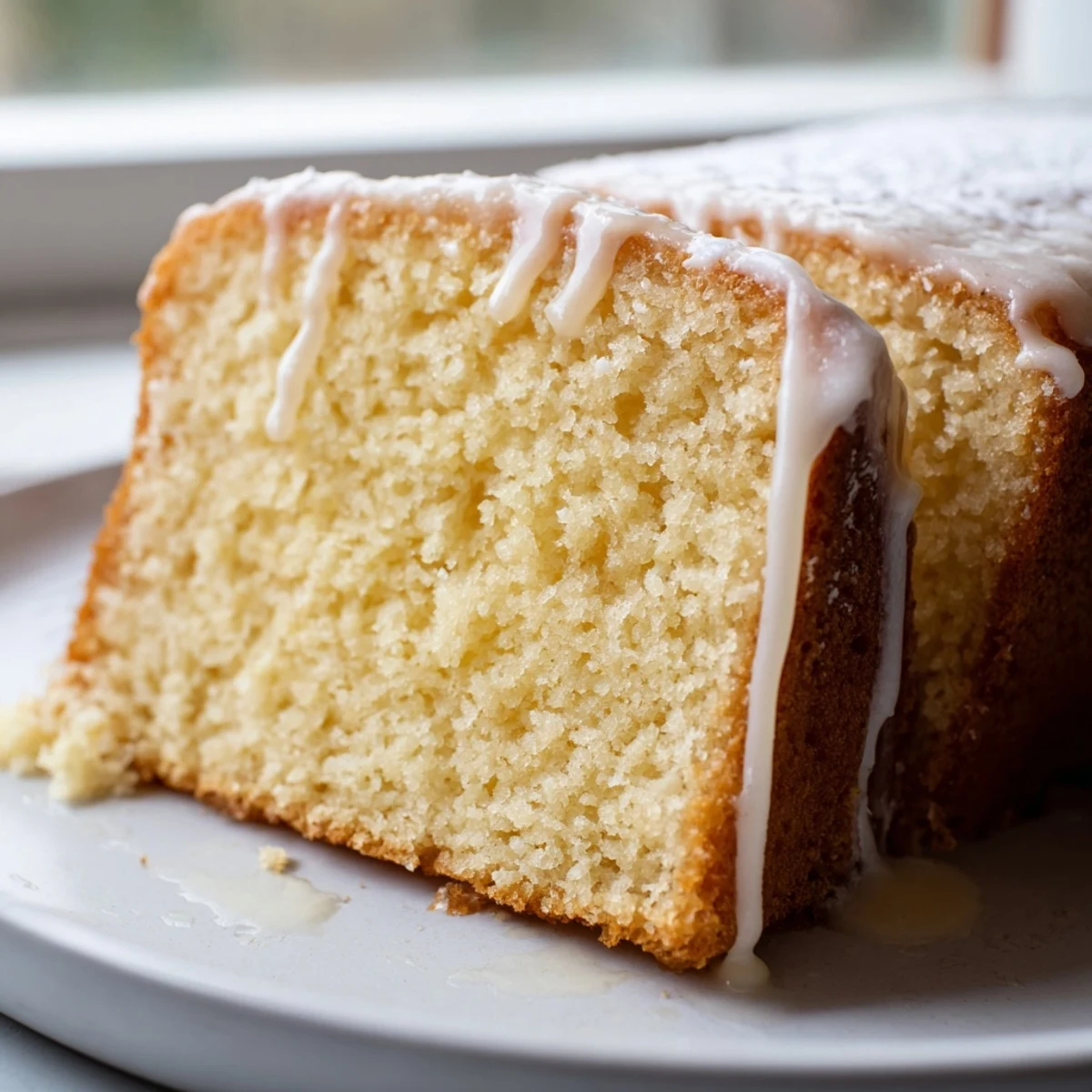
 This classic vanilla cake delivers exceptional moistness and tenderness, making it perfect for potlucks, church socials, and family gatherings. The simple batter comes together quickly with pantry staples, while the homemade vanilla glaze adds just the right amount of sweetness.
The cake bakes in a 9x13-inch pan, yielding 12 generous servings that stay fresh for days. Its subtle vanilla flavor appeals to everyone, and the soft crumb texture makes each bite irresistible. Plus, it travels well and serves easily right from the pan.
There's something about the way this cake smells while baking that instantly transports me back to those church potluck tables lined with checkered cloths. I first tasted it at Mrs. Henderson's funeral reception, strange as that sounds, and later begged her daughter for the recipe. The woman hesitated before writing it down on the back of an offering envelope, admitting it was the one thing people actually requested her to make. Now I understand why that simple yellow cake disappeared before the potato salad even got warm.
Last summer I made three of these for my niece's graduation open house, stacking them on the dessert table like edible bricks. People kept asking which bakery they came from, genuinely shocked when I admitted I'd baked them myself in my tiny apartment oven. My brother-in-law, who never eats sweets, went back for seconds and actually asked if there was any left to take home. That's when I knew this wasn't just cake—it was the sort of humble baking that makes people feel remembered.
Ingredients
- All-purpose flour: The backbone of this tender crumb, measured carefully for consistent results
- Baking powder and soda: These work together for that perfect rise without making the cake taste metallic
- Salt: Just enough to enhance the vanilla and keep things from tasting flat
- Unsalted butter: Use this softened to room temperature for proper creaming with sugar
- Granulated sugar: Creates that delicate golden crust while keeping the inside moist
- Large eggs: Bring these to room temperature before starting for better incorporation
- Vanilla extract: Don't skimp here—pure extract makes all the difference
- Buttermilk: The secret ingredient that keeps this cake tender and adds subtle tang
- Powdered sugar: For the glaze, sifted to avoid any lumps in your topping
- Milk: Just enough to make the glaze pourable but not too thin
Instructions
- Get everything ready:
- Preheat your oven to 350°F and grease a 9x13-inch pan, coating it with flour to prevent any sticking later.
- Whisk the dry ingredients:
- Combine flour, baking powder, baking soda, and salt in a medium bowl, whisking to distribute everything evenly.
- Cream butter and sugar:
- Beat the softened butter and sugar for about 3 minutes until they're light, pale, and fluffy—this creates those air pockets that make the cake tender.
- Add eggs and vanilla:
- Drop in eggs one at a time, letting each fully incorporate before adding the next, then mix in the vanilla until you can smell it throughout.
- Combine everything:
- Alternate adding the flour mixture and buttermilk, starting and ending with the flour, mixing only until you no longer see dry streaks.
- Bake to golden perfection:
- Spread the batter evenly and bake for 30 to 35 minutes until a toothpick comes out clean and the top springs back when touched.
- Make the simple glaze:
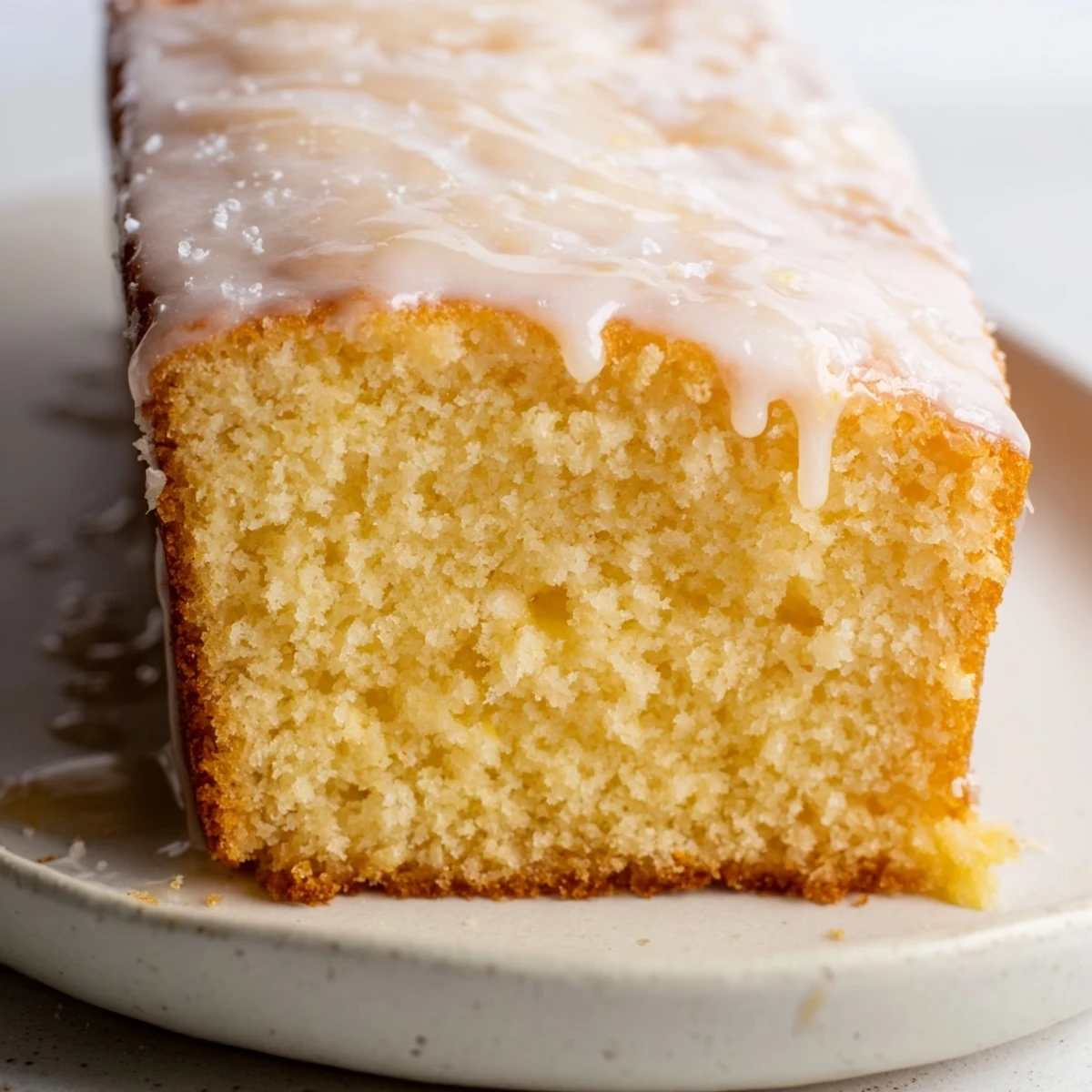
- Whisk powdered sugar with a couple tablespoons of milk and vanilla until smooth, adjusting the liquid until it's thick but pourable.
 Save to Pinterest
 My mother-in-law asked for this recipe after Christmas dinner, pen hovering over her napkin when I told her there was nothing fancy about it. She looked skeptical, like I must be leaving out a secret ingredient or some special technique. Sometimes the best recipes are just the ones someone bothered to perfect over years of Sunday mornings and unexpected guests.
Making This Your Own
Lemon zest folded into the batter brightens everything up, especially in spring when you want something lighter. I've also added a cup of frozen blueberries or chopped pecans depending on what I had on hand. The beauty of this cake is that it's essentially a blank canvas that still tastes delicious even when you mess with it a little.
Buttermilk Secrets
If you don't have buttermilk sitting in your fridge, regular milk works in a pinch with a tablespoon of lemon juice stirred in and left for five minutes. The acid activates the baking powder better than plain milk would, giving you that same tender crumb. I've used this trick more times than I care to admit when the baking urge strikes at midnight.
Serving Ideas
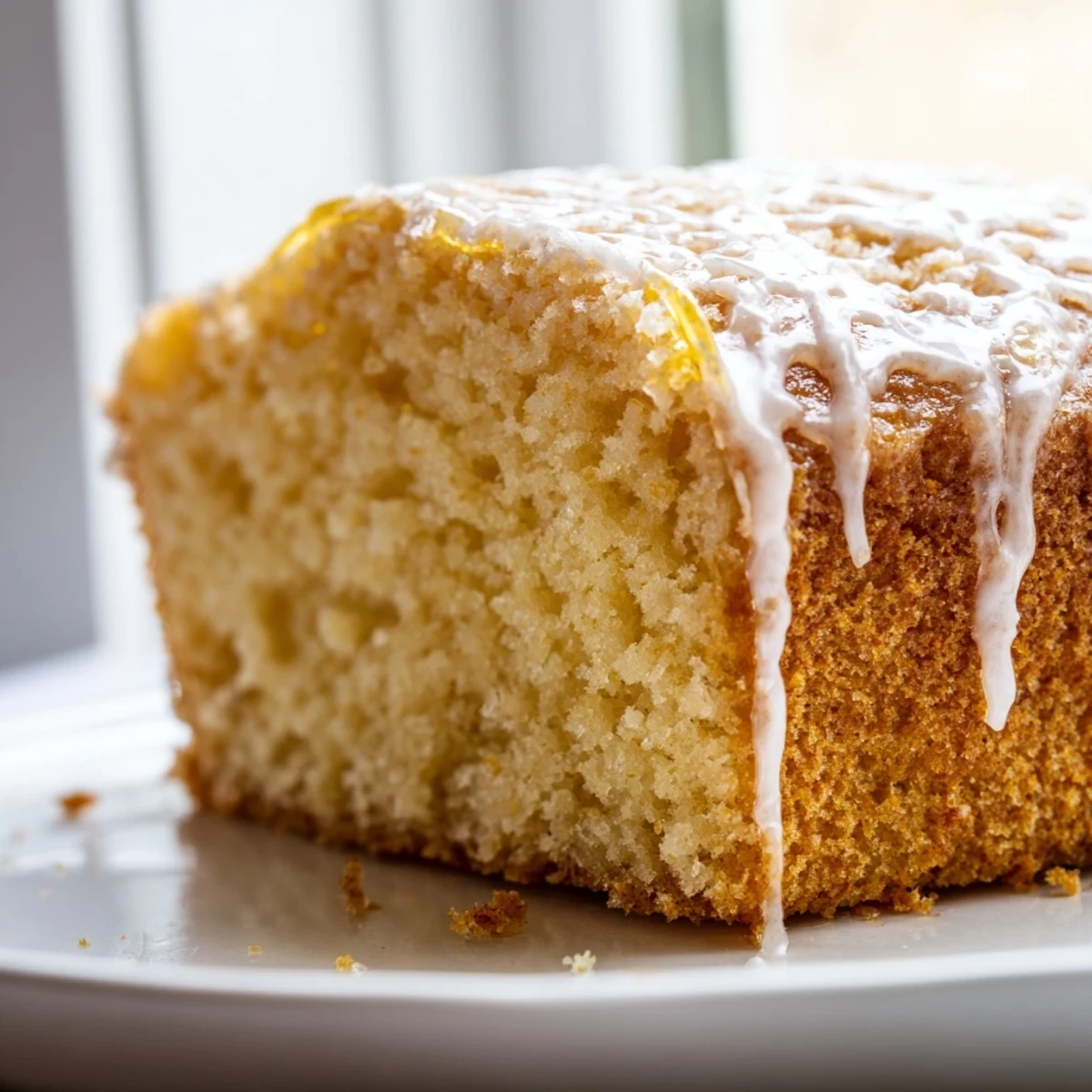
This cake travels well to potlucks, wakes, and family reunions wrapped in foil or tucked into a carrier. Serve it with strong coffee at brunch or alongside tea in the afternoon when neighbors drop by unexpectedly. The glaze sets up nicely, making it easy to cut neat squares that look professional without any fancy decorating skills.
- Warm a slice for 10 seconds in the microwave if you're eating it plain
- A dollop of whipped cream never hurt anyone, especially for company
- This keeps at room temperature for three days if you can resist it that long
 Save to Pinterest
 There's quiet joy in a recipe that asks for nothing exotic yet delivers something people remember talking about later. That's the kind of cooking worth passing down.
Recipe FAQs
- → What makes this cake so moist?
-
The combination of buttermilk and properly creamed butter creates exceptional moisture. Buttermilk adds acidity that tenderizes the gluten, while beating butter and sugar until fluffy incorporates tiny air pockets that keep the crumb soft and moist.
- → Can I make this cake ahead of time?
-
Absolutely. This cake actually tastes better the next day as flavors deepen. Store covered at room temperature for up to 3 days. Add the glaze the day of serving for freshest appearance, or glaze ahead and store at room temperature.
- → Why is it called Church Cake?
-
The name reflects its historical popularity at church potlucks, socials, and community gatherings. It's easy to transport, serves a crowd affordably, and appeals to virtually everyone—making it ideal for large group events.
- → Can I substitute regular milk for buttermilk?
-
Yes. Measure 1 cup of regular milk and add 1 tablespoon of lemon juice or white vinegar. Let it sit for 5-10 minutes until slightly thickened. The acidity mimics buttermilk's tenderizing properties and chemical reaction with baking soda.
- → How do I know when the cake is done baking?
-
Insert a wooden toothpick into the center of the cake. If it comes out clean or with just a few moist crumbs, the cake is done. The edges should pull slightly away from the pan, and the top should spring back when gently touched.
- → Can I freeze this cake?
-
Yes. Wrap the cooled, unglazed cake tightly in plastic wrap and foil, then freeze for up to 3 months. Thaw overnight at room temperature before glazing. Already glazed portions can also be frozen individually.