
 Save to Pinterest
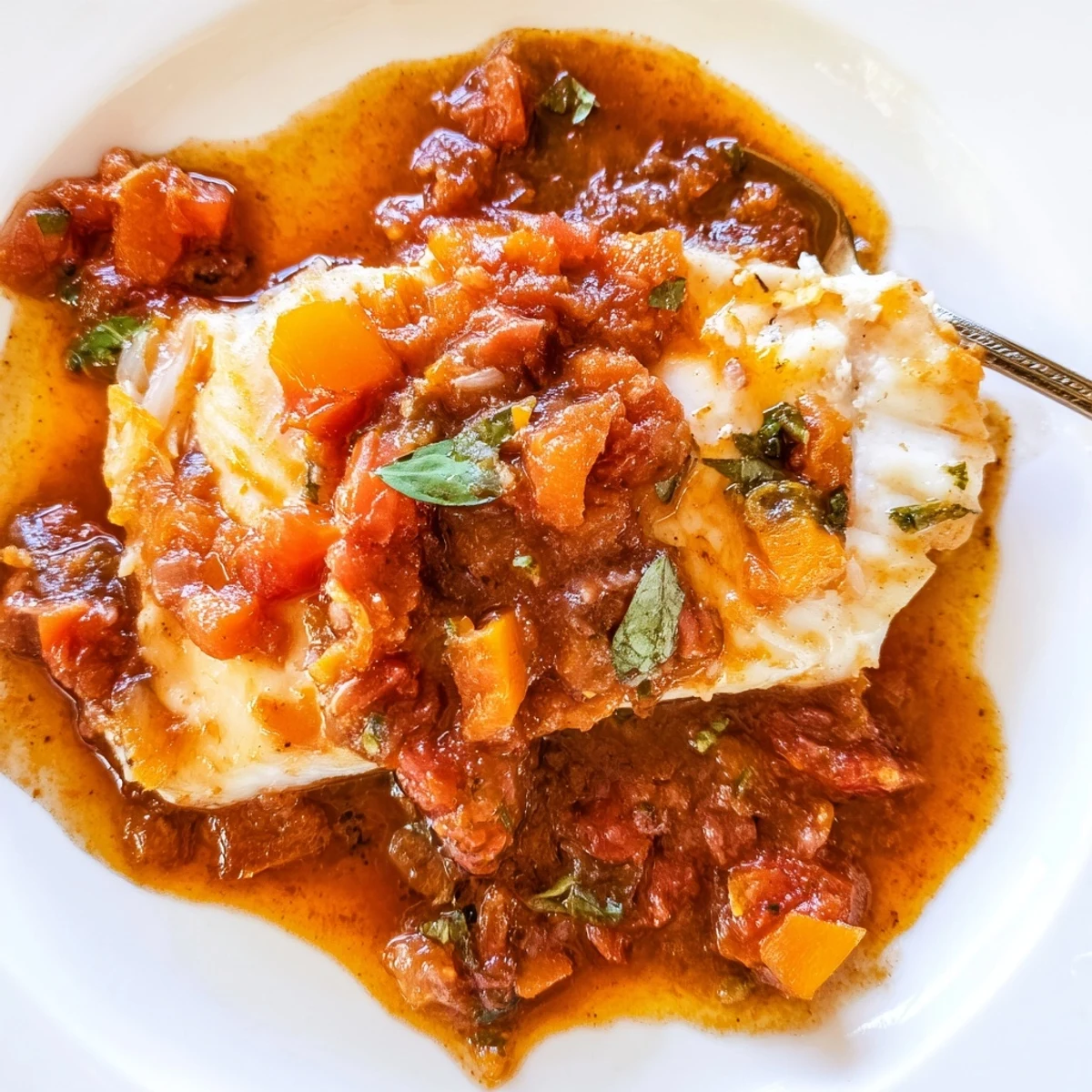
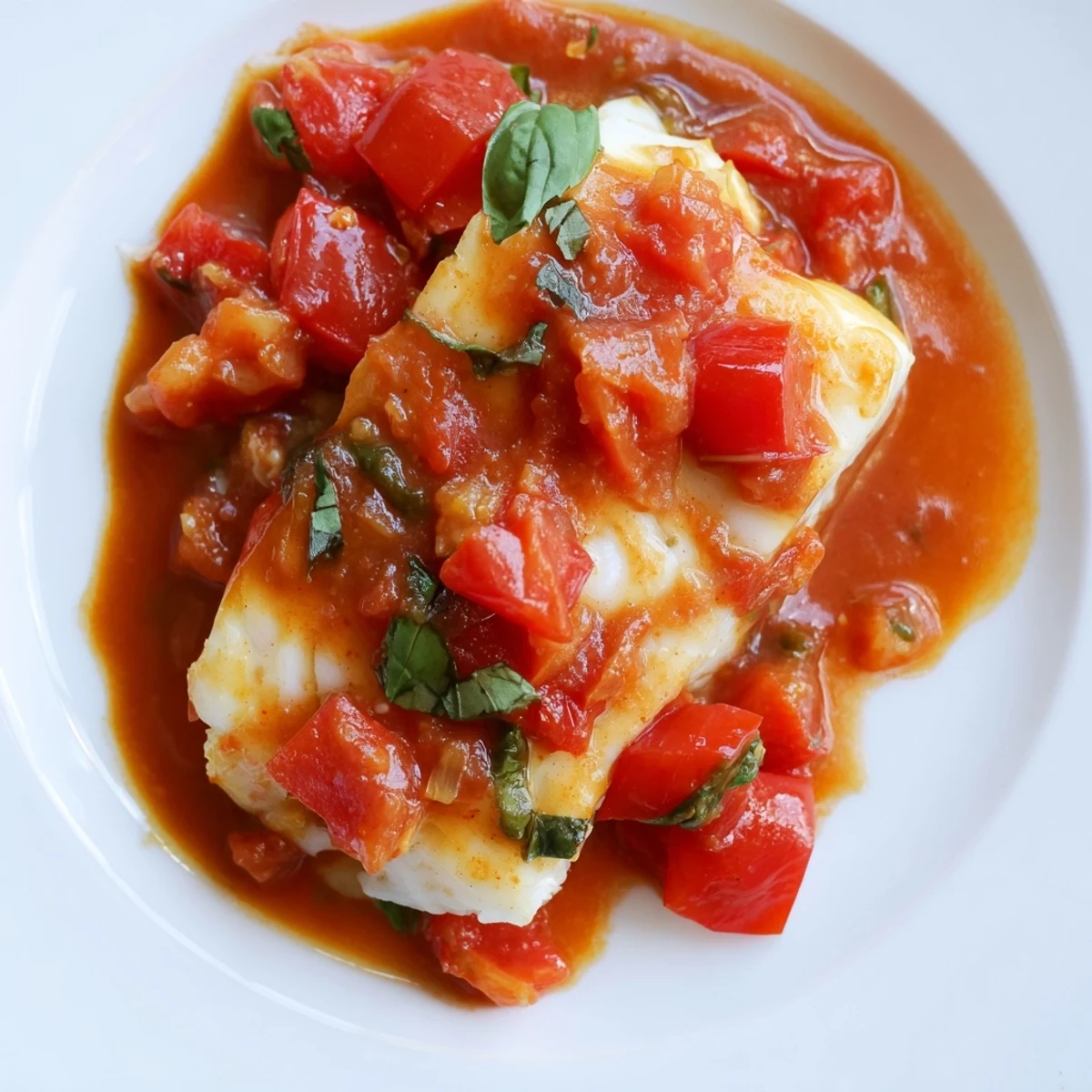
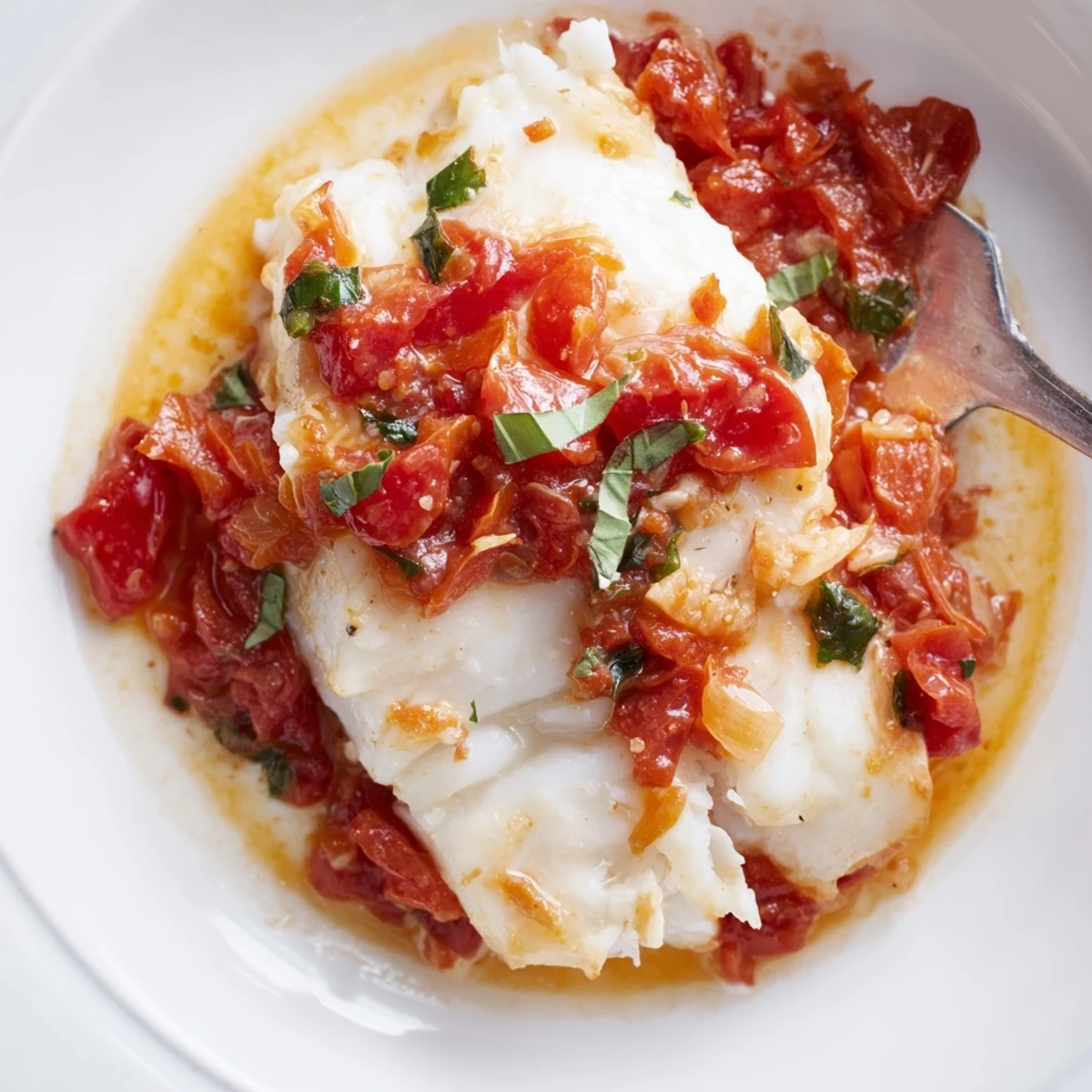
 This elegant preparation combines the gentle cooking technique of poaching with the rustic appeal of grilling. Fresh halibut fillets are seasoned simply and simmered in a silky tomato-butter sauce enriched with shallots, garlic, white wine, and lemon juice. The stovetop preparation allows the sauce to emulsify properly, while the grill finish adds subtle smokiness that complements without overpowering the delicate fish.
The method creates incredibly moist halibut that flakes beautifully, while the tomato-butter reduction provides a luxurious coating that ties all flavors together. Perfect for entertaining yet simple enough for a weeknight dinner, this dish comes together in just 35 minutes and serves four generously.
The idea of poaching fish on a grill felt contradictory at first, like wearing rain boots to the beach. But that first summer evening when the tomato butter sauce bubbled up around halibut fillets, smoky steam curling from the grill vents, something clicked. The fish absorbed the rich tomato flavors while still catching those gorgeous char-grilled notes. Now it's the dish my friends specifically request for backyard dinners.
Last August, I made this for my sister's birthday and she literally stopped talking mid-sentence after her first bite. The way the sweet tomatoes and butter coat that flaky white fish hits some primal comfort button. She still texts me about that dinner whenever summer tomatoes start appearing at the farmers market.
Ingredients
- Halibut fillets: Halibut's firm texture holds up beautifully to poaching while remaining tender enough to flake under a fork
- Ripe tomatoes: Summer tomatoes make all the difference here, their natural sweetness balancing the rich butter
- Unsalted butter: Adding it one tablespoon at a time creates that restaurant-style silky emulsion
- White wine: A dry white adds brightness and depth, though I've used stock in a pinch
- Shallot and garlic: This aromatic foundation is what makes the sauce taste complex, not just like crushed tomatoes
- Fresh basil: Add it at the end so its bright, peppery flavor stays fresh and vibrant
- Lemon juice: A little acid cuts through the butter and makes all the flavors pop
- Olive oil: Start the sauce building process with a gentle sauté of the aromatics
Instructions
- Get your grill going:
- Preheat to medium heat, around 375°F, giving yourself time to build the sauce before the fish hits the heat
- Season the halibut:
- Pat the fillets dry and season generously with salt and pepper on both sides, letting them sit while you make the sauce
- Build the base:
- Heat olive oil in a grill-safe skillet over medium heat and sauté shallot and garlic until fragrant, about 1 minute
- Add the tomatoes:
- Stir in chopped tomatoes and cook until they start breaking down and releasing their juices, 3 to 4 minutes
- Deglaze and reduce:
- Pour in white wine and lemon juice, letting the mixture simmer until slightly reduced, 2 to 3 minutes
- Create the silky sauce:
- Reduce heat to low and whisk in butter one tablespoon at a time until the sauce becomes luxuriously smooth, then stir in chopped basil
- Nestle in the fish:
- Carefully place halibut fillets into the sauce, spooning some of that tomato-butter goodness over the top
- Grill-poach it:
- Transfer the skillet to the grill, close the lid, and let the fish poach for 8 to 12 minutes until just opaque and flaky
- Optional grill marks:
- For those classic char lines, carefully place fillets directly on grates for 1 minute per side at the very end
- Serve it up:
- Plate the fish with plenty of extra sauce spooned over each fillet, garnished with fresh basil and lemon wedges
 Save to Pinterest
 This recipe became my go-to for summer dinner parties because it feels impressive without requiring restaurant skills. There's something about carrying that bubbling skillet from the grill to the table that makes guests lean in a little closer.
Choosing the Right Fish
Halibut's firm flesh holds up beautifully to the gentle poaching method, but I've also had great luck with cod or sea bass. The key is choosing fillets that are roughly the same thickness so they cook evenly. Avoid fish that's too delicate or thin, as it might fall apart in the sauce.
Grill Setup Success
I keep one side of my grill at medium heat for the skillet and another side hot for those optional grill marks. Indirect heat is crucial for the poaching step, so the sauce simmers gently rather than aggressively reducing. A grill thermometer is your friend here, ensuring consistent temperature throughout cooking.
Make It Your Own
Once you master the basic technique, this recipe welcomes endless variations that keep it interesting all year long. The foundation of gentle poaching in a flavored sauce works with so many ingredient combinations.
- A splash of heavy cream in the sauce makes it even more decadent
- Red pepper flakes add a subtle warmth that balances the sweet tomatoes
- Fresh thyme or oregano can swap in for basil when the seasons change
 Save to Pinterest
 Gentle, elegant, and surprisingly forgiving, this dish has that rare quality of making a weeknight dinner feel like a celebration. Hope it becomes a backyard favorite at your house too.
Recipe FAQs
- → What makes this cooking method unique?
-
The hybrid technique starts with stovetop poaching to build a properly emulsified tomato-butter sauce, then finishes on the grill. This approach ensures the halibut remains incredibly moist while gaining subtle smoky notes that complement rather than mask the delicate flavor.
- → Can I substitute other fish for halibut?
-
Cod, sea bass, or mahi-mahi work well as alternatives. Look for firm, thick fillets that can hold up to the poaching process without falling apart. Adjust cooking time slightly based on fillet thickness.
- → How do I know when the halibut is done?
-
The fish is ready when it turns opaque throughout and flakes easily with a fork. Halibut can dry out if overcooked, so start checking at the 8-minute mark. The residual heat will continue cooking it slightly after removing from the grill.
- → Why use cold butter when making the sauce?
-
Adding cold butter one tablespoon at a time creates an emulsion, resulting in a silky, velvety sauce rather than separated butter and tomato liquid. The gradual incorporation allows the sauce to thicken beautifully while maintaining a glossy finish.
- → What sides pair best with this halibut?
-
Grilled asparagus, roasted fingerling potatoes, or a crisp green salad with vinaigrette balance the richness. A chilled Sauvignon Blanc or Pinot Grigio complements the buttery sauce and enhances the seafood's natural sweetness.
- → Can I prepare the tomato-butter sauce in advance?
-
Yes, make the sauce up to 4 hours ahead and store it gently warmed. Reheat slowly over low heat, adding a splash of water or wine if needed. Poach the fresh halibut just before serving for the best texture and flavor.