
 Save to Pinterest
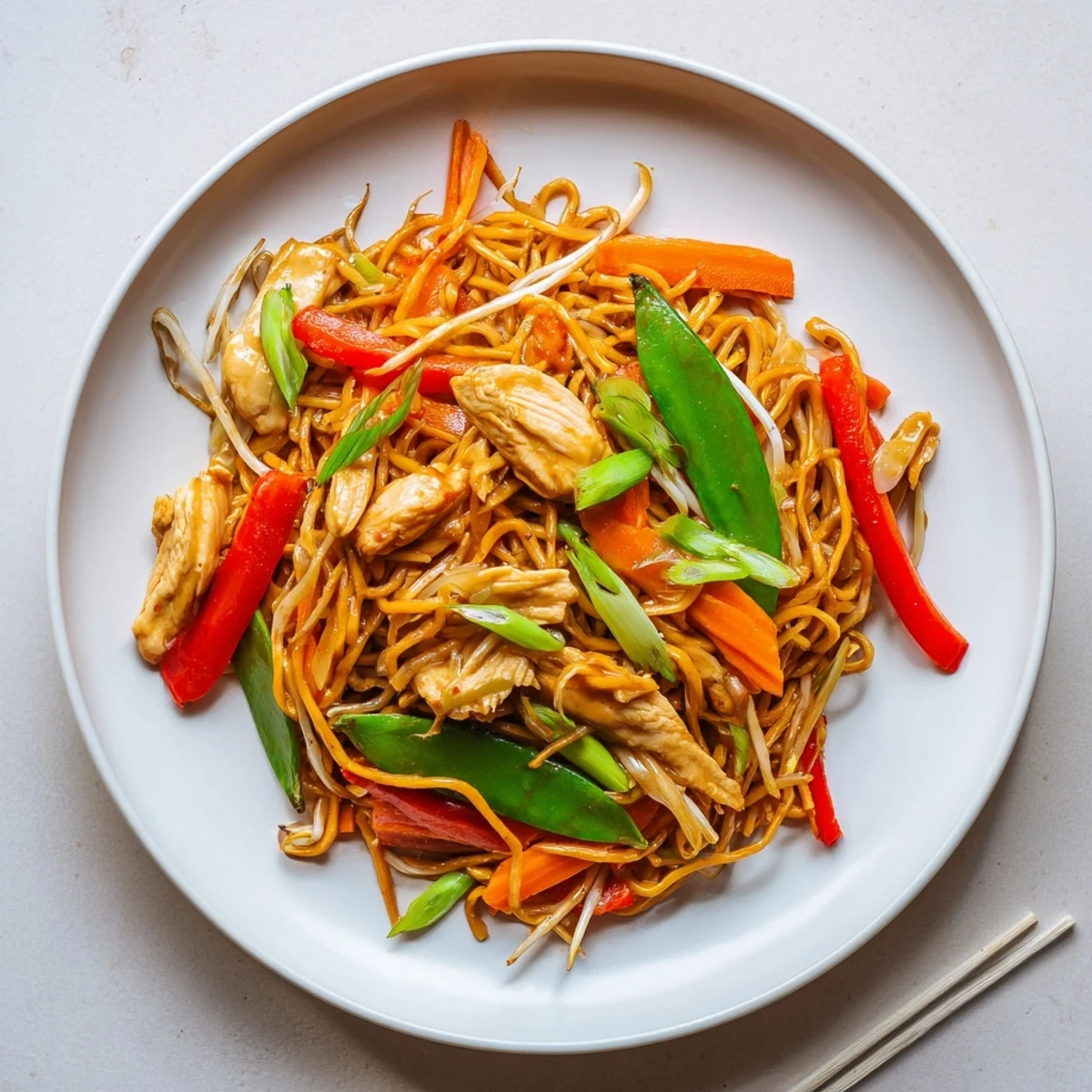
 This Chinese-style stir-fry features tender marinated chicken breast alongside colorful vegetables like bell peppers, carrots, snow peas, and bean sprouts. The noodles are tossed in a balanced sauce combining soy, oyster, and hoisin sauces with just a hint of sweetness and white pepper. Everything cooks quickly over high heat in a wok or large skillet, creating those signature smoky, caramelized flavors.
The entire dish comes together in just 35 minutes, making it perfect for busy weeknights when you want something flavorful and satisfying without spending hours in the kitchen. The technique is straightforward: marinate the protein for extra tenderness, prep your sauce ahead, cook everything over high heat, and toss everything together at the end for that authentic restaurant-style finish.
My tiny apartment kitchen barely fit the wok I bought on impulse, but that didn't stop me from attempting restaurant-quality chow mein on Tuesday nights. The first time I made this, I underestimated how quickly high heat cooks everything, resulting in what my roommate jokingly called 'chicken confetti.' Three years later, I've learned that the real secret isn't fancy technique—it's having everything chopped and measured before you even turn on the stove.
Last winter, my sister came over after a brutal week at work, and I whipped this up in exactly 23 minutes. She took one bite and immediately asked for the recipe, saying it reminded her of our favorite takeout spot from college. Now it's our go-to comfort food whenever life feels overwhelming.
Ingredients
- 400 g (14 oz) boneless skinless chicken breast: Slice it thinly against the grain so each piece stays tender and absorbs the marinade beautifully
- 1 tbsp soy sauce: This base marinade ingredient starts infusing flavor into the chicken right away
- 1 tsp cornstarch: Creates that velvety texture restaurant chicken always has
- 1 tsp sesame oil: Just enough to add aromatic depth without overpowering
- 3 tbsp soy sauce: The foundation of your savory sauce
- 1 tbsp oyster sauce: Adds rich umami that makes everything taste professional
- 1 tbsp hoisin sauce: Brings a subtle sweetness that balances the salty elements
- 1 tsp sugar: Helps all the sauce components meld together
- 1/2 tsp ground white pepper: White pepper blends into the sauce invisibly while adding gentle heat
- 2 tbsp water: Thins the sauce just enough to coat every strand of noodle
- 250 g (9 oz) chow mein or egg noodles: These sturdy noodles hold up to vigorous tossing without breaking apart
- 2 tbsp vegetable oil (divided): High smoke point means you can stir-fry at the proper high temperature
- 2 garlic cloves minced: Fresh garlic blooms quickly in hot oil and permeates the whole dish
- 1 medium onion thinly sliced: Adds sweetness and texture that contrasts with the soft noodles
- 1 large carrot julienned: Keeps their crunch even after a quick stir-fry
- 1 red bell pepper thinly sliced: Brings color and a fresh, bright flavor to the rich sauce
- 100 g (3.5 oz) bean sprouts: Add incredible crisp texture right at the end
- 4 spring onions sliced: Both the white and green parts add layers of mild onion flavor
- 100 g (3.5 oz) snow peas trimmed: Their sweetness pairs perfectly with the savory sauce
Instructions
- Marinate the chicken:
- In a bowl, combine the sliced chicken with soy sauce, cornstarch, and sesame oil. Let it sit for at least 10 minutes while you prep everything else—this step is what makes the chicken velvety rather than tough.
- Whisk together your sauce:
- In a small bowl, mix the soy sauce, oyster sauce, hoisin sauce, sugar, white pepper, and water until smooth. Having this ready means you won't scramble when the hot wok demands your full attention.
- Cook the noodles perfectly:
- Prepare them according to the package directions, then drain and rinse under cold water to stop the cooking. Toss with 1 teaspoon of oil to keep them from clumping together while you stir-fry.
- Sear the chicken:
- Heat 1 tablespoon oil in a large wok or skillet over high heat until it's shimmering. Add the chicken in a single layer and let it develop a golden color before tossing, about 3 to 4 minutes total. Remove it and set aside on a plate.
- Stir-fry the vegetables:
- Add the remaining tablespoon of oil to the wok, then toss in the garlic and onion for 1 minute until fragrant. Add the carrot, bell pepper, and snow peas, stir-frying for 2 to 3 minutes until they're bright and just tender.
- Bring it all together:
- Return the chicken to the wok along with the cooked noodles, bean sprouts, and spring onions. Pour in the sauce and toss everything vigorously over high heat for 2 to 3 minutes until every strand is glossy and coated.
- Serve it while it's hot:
- The texture changes as it cools, so get it into bowls immediately. Extra spring onions on top make it look as good as it tastes.
 Save to Pinterest
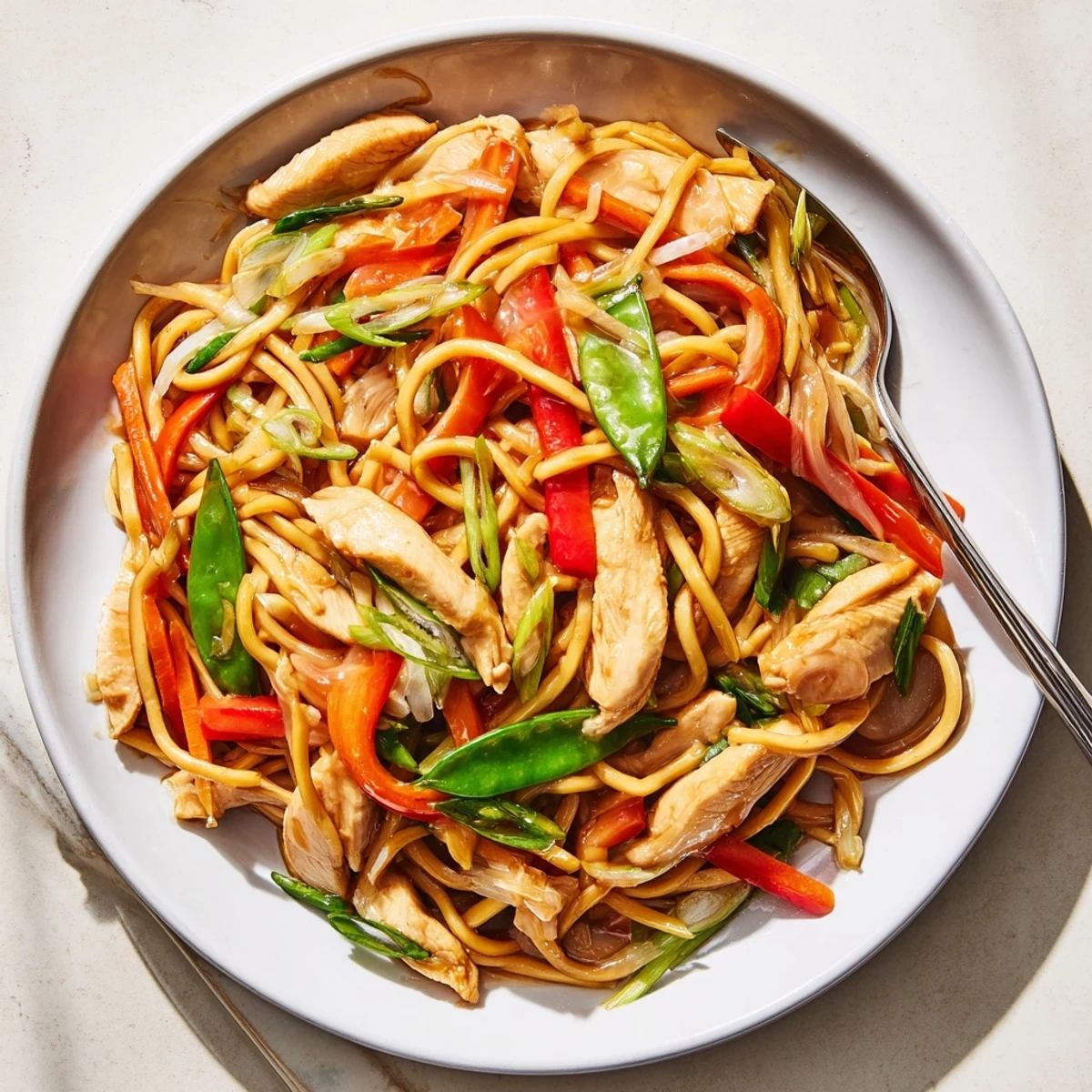
 This recipe became my dinner party staple because everyone assumes it took hours to perfect. There's something deeply satisfying about watching people's faces light up when they take that first bite and realize it's even better than takeout.
The Secret to Restaurant Style
Heat management makes or breaks this dish. If your wok isn't hot enough, you'll end up steaming everything into a soggy mess. I learned to let the oil get almost smoking hot before adding ingredients—that's how you get that distinctive wok hei flavor.
Make It Your Own
Sometimes I swap in shrimp or thin slices of beef, and they both work beautifully with this sauce base. The vegetables are flexible too, so whatever's in your crisper drawer can join the party as long as you keep the pieces uniformly sized.
Perfect Pairings
This dish stands alone perfectly, but if you're feeding a crowd, consider some simple sides. Keep them light so they don't compete with the noodles.
- Fresh cucumber salad with rice vinegar dressing
- Steamed dumplings from your local Asian market
- Hot tea cuts through the richness beautifully
 Save to Pinterest
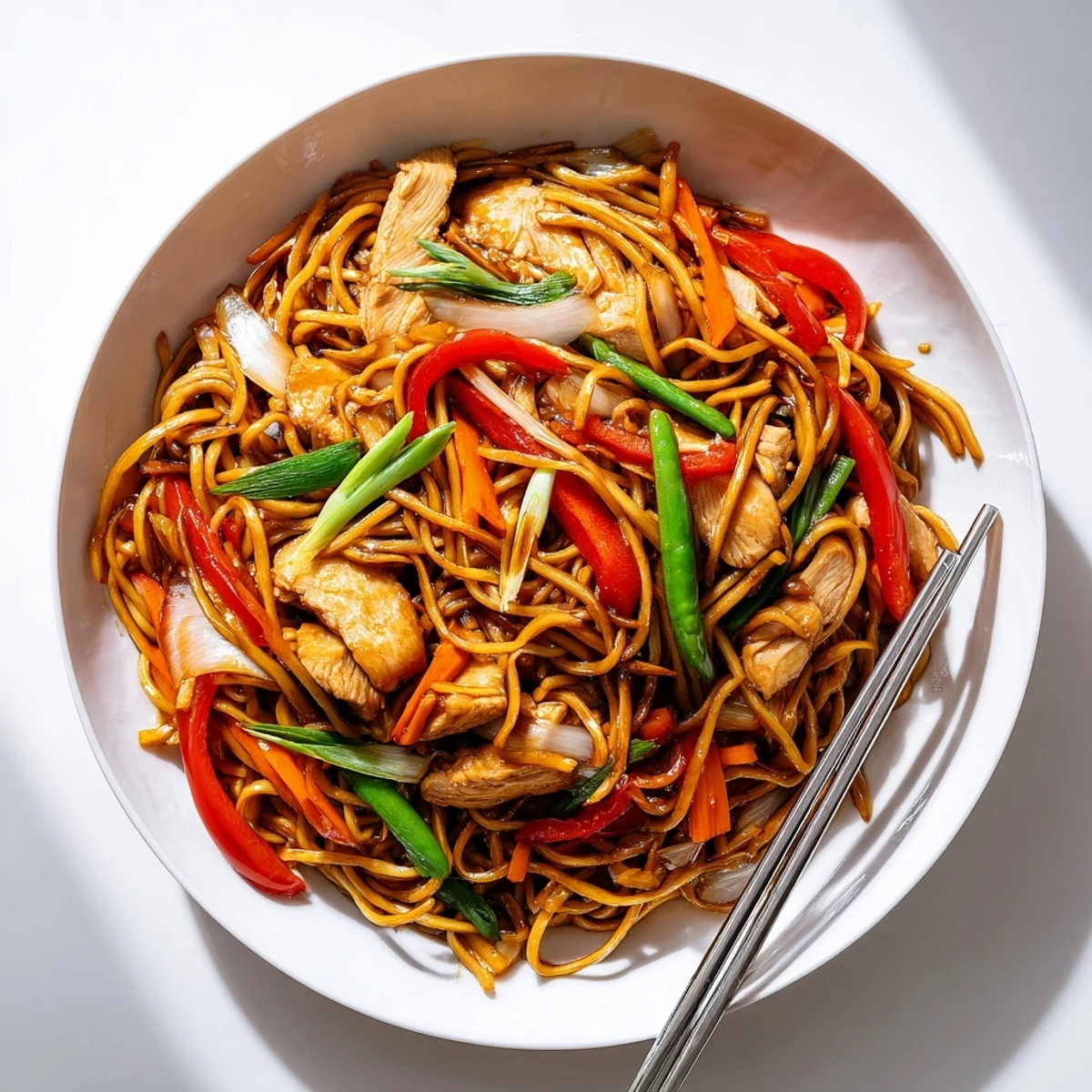
 Gather some chopsticks and good company, because this chow mein is meant to be shared. There's nothing quite like a steaming bowl of noodles to turn a regular Tuesday into something special.
Recipe FAQs
- → What type of noodles work best for chow mein?
-
Traditional chow mein uses egg noodles specifically labeled as chow mein noodles. These wheat-based noodles have a slightly yellow color and firm texture that holds up well during stir-frying. You can also use linguine or spaghetti as a substitute, though they'll have a slightly different texture. Just cook them al dente and rinse with cold water to prevent sticking.
- → How do I keep the chicken tender when stir-frying?
-
The key is marinating the chicken in soy sauce, cornstarch, and sesame oil for at least 10 minutes before cooking. This technique, called velveting, protects the meat proteins during high-heat cooking. Also avoid overcrowding the wok—cook the chicken in batches if necessary so it sears rather than steams.
- → Can I make this ahead of time?
-
You can prep all ingredients in advance: slice the vegetables, mix the sauce, and marinate the chicken up to 4 hours ahead. However, chow mein is best enjoyed immediately after cooking for optimal texture. The noodles tend to absorb sauce and become soft if stored too long. If you must reheat, add a splash of water and reheat gently in a pan.
- → What vegetables can I substitute?
-
Feel free to use whatever stir-fry vegetables you have available. Good options include bok choy, broccoli florets, snap peas, mushrooms, zucchini, or cabbage. The key is cutting everything into similar-sized pieces so they cook evenly. Aim for about 3-4 cups total vegetables to maintain the right ratio with the noodles and chicken.
- → Is there a gluten-free version?
-
Yes, you can make this gluten-free by using tamari instead of soy sauce and choosing gluten-free oyster sauce or omitting it. Replace the wheat-based chow mein noodles with rice noodles or soba noodles made from 100% buckwheat. Double-check all sauce labels, as many contain wheat-based thickeners or additives.
- → Why does my chow mein turn out soggy?
-
Soggy chow mein usually comes from overcrowding the pan, which lowers the temperature and causes ingredients to steam instead of sear. Also ensure your noodles are cooked al dente and rinsed thoroughly to remove excess starch. Finally, add the sauce at the very end and toss quickly—letting it simmer too long will cause the noodles to absorb too much liquid.