
 Save to Pinterest
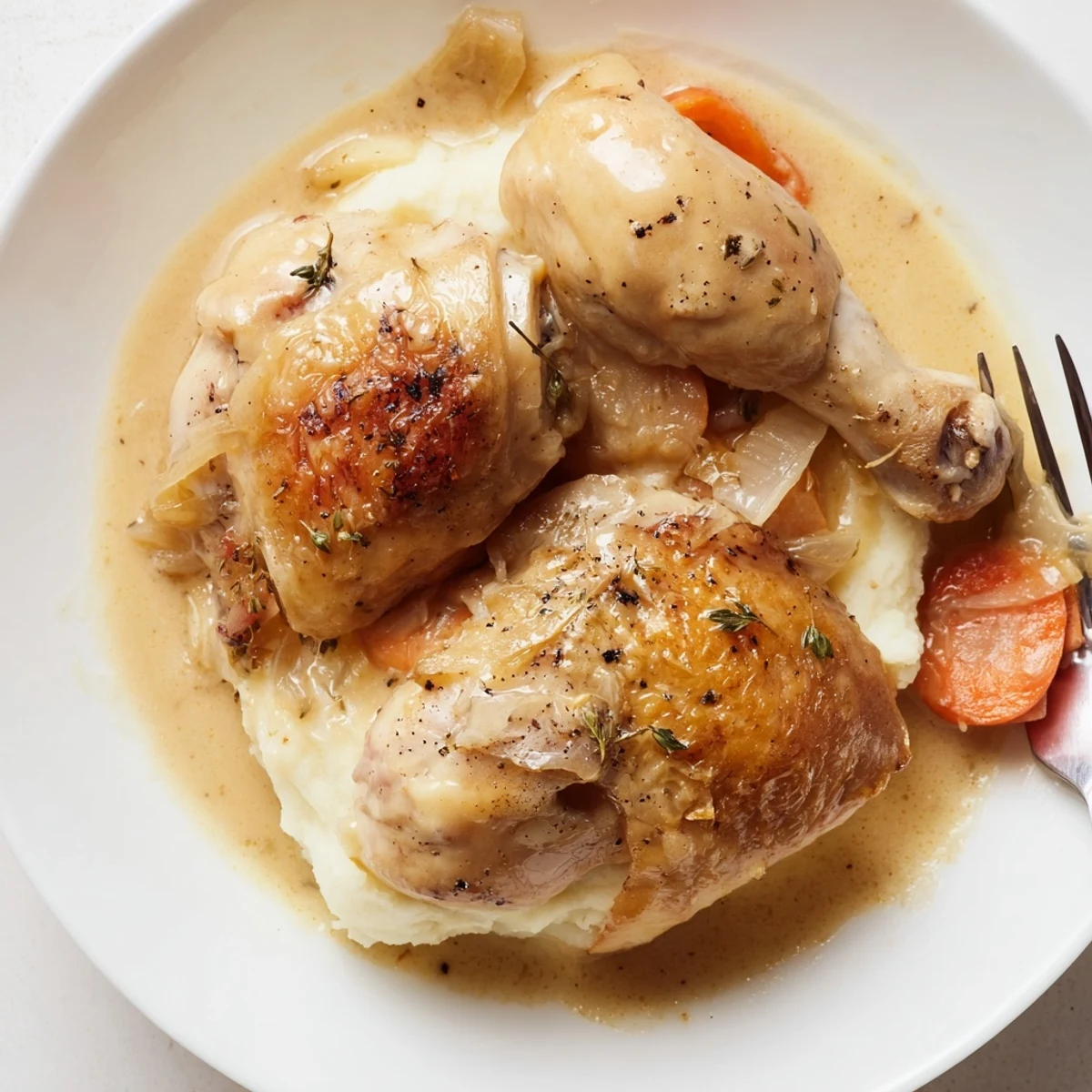
 This Normandy-style chicken braise starts with bone-in pieces seared in butter and olive oil, then sautéed onions, carrots and apples are tossed with a dusting of flour and deglazed with cider (and optional Calvados). Chicken returns to the pot with stock, bay and thyme, then bakes gently until tender and concentrated.
After a final stir-in of cream and a brief uncovered finish, the sauce thickens and develops a silky, slightly sweet apple character. Prep about 25 minutes; bake at 180°C (350°F) for roughly 50–65 minutes total. Serve with mashed potatoes, crusty bread or buttered noodles; remove herbs before plating and adjust seasoning to taste.
There’s something quietly magical about the scent of apples mingling with butter and thyme on a chilly evening, infusing the whole kitchen with warmth. I first stumbled upon this Norman classic after returning from the market, arms full of apples I’d picked on a whim. My curiosity led to a casserole gently bubbling away, filling my apartment with whispers of French countryside. That day, dinner felt like a gentle celebration of autumn—unexpected and utterly comforting.
One weekend, friends lingered in the kitchen as I browned chicken and stirred Calvados into the pan—the laughter and anticipation turning even the simplest prep into a memory. Watching the apples soften and mingle with herbs while stories circled around made this casserole more than just another dinner—it became a reason to gather.
Ingredients
- Chicken pieces (1.5 kg, bone-in, skin-on): Browning them first makes all the difference for flavor—don’t rush it, and let the skin get golden.
- Onions & carrots: Sliced thin, they melt sweetly into the sauce and coax out deeper savoriness.
- Tart apples (like Granny Smith): Their tang holds up during baking and balances out the richness.
- Garlic: Adds aromatic depth, especially as it softens in butter.
- Dry French cider: Lends a gentle fruitiness that’s lightyears better than using sweet cider.
- Chicken stock: Boosts umami and keeps everything moist.
- Heavy cream: Rounds out the sauce and gives a bit of velvety gloss.
- Calvados (optional): Just a splash brings an unmistakable apple aroma—use it if you can.
- Flour: Helps the sauce thicken beautifully—gluten-free works too.
- Butter & olive oil: Sautéing in both means best of both worlds: flavor and a good sear.
- Bay leaf & thyme sprigs: Aromatic herbs quietly infuse the whole stew as it simmers.
- Salt and black pepper: Season liberally at each step for best flavor layering.
Instructions
- Heat things up:
- Preheat your oven to 180°C (350°F) and set out your Dutch oven or casserole dish.
- Season and sear:
- Pat chicken pieces dry and shower them with salt and pepper, then brown in batches with olive oil and butter—listen for that sizzle and go for crisp, golden skin.
- Sauté aromatics:
- Add a pat more butter, followed by onion, carrot, and garlic; let them soften and catch a hint of color as you stir, about 4-5 minutes.
- Build the base:
- Sprinkle flour over the veggies, stir to coat, and cook just until things smell nutty—don’t stop stirring.
- Deglaze and deglam:
- If using Calvados, pour it in and inhale as everything steams up, scraping browned bits from the pan. Pour in cider and keep scraping to capture all that flavor.
- Layer and simmer:
- Add chicken stock, tuck browned chicken back in—skin side up—then arrange apple slices among the pieces and drop in bay leaf and thyme.
- Bake to comfort:
- Bring to a gentle simmer on the stovetop, cover, and transfer to the oven for 50 minutes.
- Finish creamy:
- Uncover, swirl in heavy cream, and return to the oven uncovered for 10-15 more minutes; the sauce should cling silkily to the chicken and apples.
- Rest and season:
- Fish out the thyme and bay, taste your sauce, and adjust with more salt or pepper as needed.
- Serve and savor:
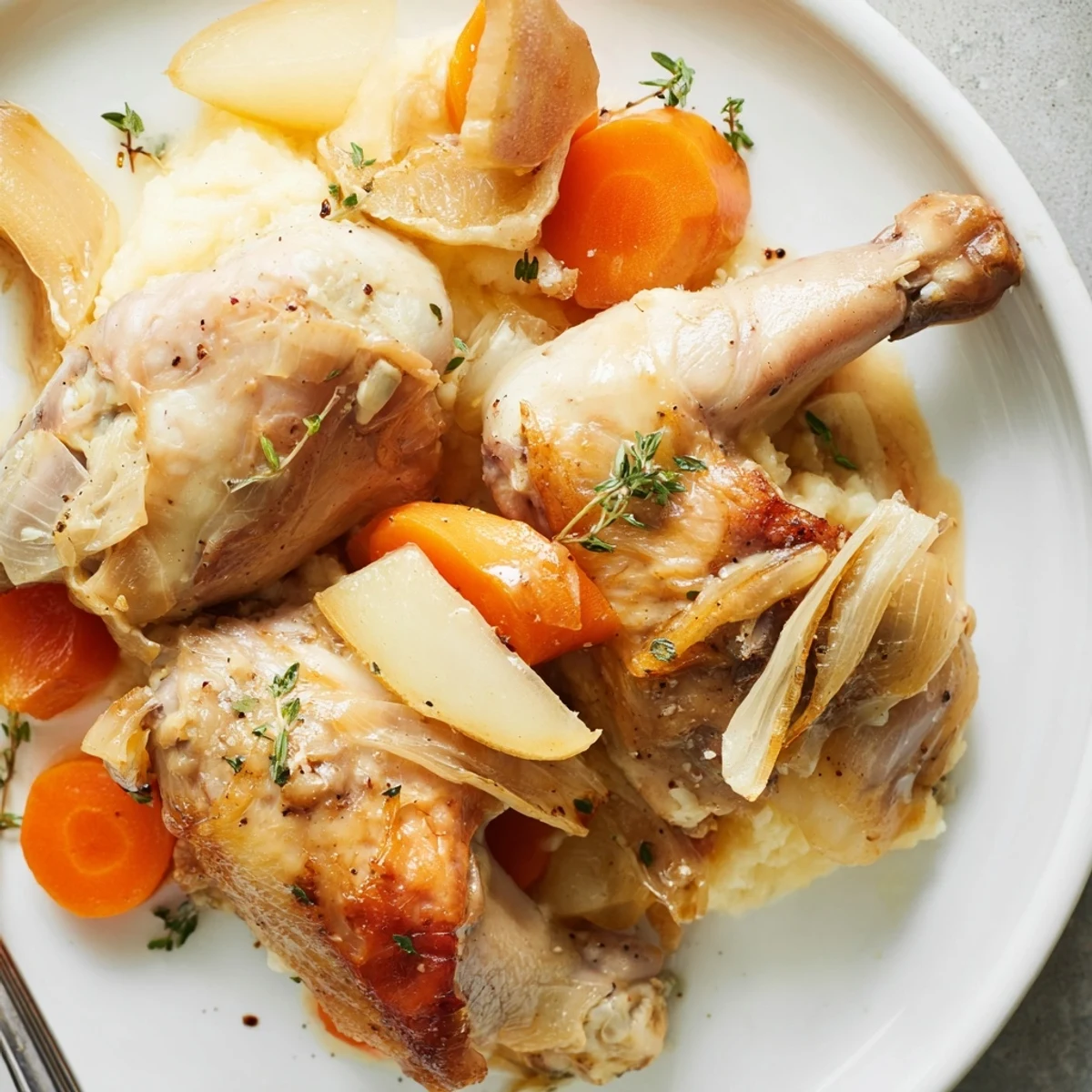
- Ladle hot onto plates, maybe with a fresh sprig of thyme or next to a mountain of mashed potatoes or baguette slices.
 Save to Pinterest
 I once made this casserole on a rainy day with my young niece, who quietly snuck apple slices when my back was turned—now every time I catch the caramel-sweet aroma, it reminds me of that laughter echoing through the kitchen, transforming the dish into a keepsake.
Making the Most of Apples
I learned the hard way that slicing apples too thin means they disappear into mush; cut them a little thicker to let their shape hold and soak up the creamy, savory sauce instead of just melting away.
Serving Suggestions That Shine
While this tastes divine on its own, pairing with crusty baguette or a heap of mashed potatoes takes things to another level—my friends always ask for extra sauce to mop up every last bit.
Little Fixes for Big Flavor
For a punch of brightness, stir a teaspoon of Dijon mustard into the sauce before serving—it makes the flavors pop and adds a subtle tangy layer.
- If you like your sauce really silky, strain it before serving.
- Keep a bit of cider aside to splash in at the end if you want more pronounced apple flavor.
- Don’t forget to remove the bay leaf and thyme sprigs—they’ve done their job by the time you’re plating up.
 Save to Pinterest
 Whether you’re cozied up on a weeknight or celebrating something small, this casserole brings a bit of French countryside right to your table. Here’s to warm kitchens and unexpected favorites.
Recipe FAQs
- → Can I use boneless chicken instead of bone-in?
-
Yes—boneless pieces cook faster, so reduce oven time and watch for doneness. Bone-in yields more flavor and a richer sauce from the marrow and juices.
- → What can I use if I don't have Calvados?
-
Skip the Calvados or substitute a splash of brandy or additional dry cider. Non-alcoholic apple juice or extra stock also work; adjust sweetness and acidity as needed.
- → How do I thicken the sauce if it stays thin?
-
Finish with a brief uncovered bake to reduce, or stir in a slurry of flour or cornstarch and a little cold water. Cooking the sauce a few minutes after adding cream also helps concentration.
- → Can this be made gluten-free?
-
Yes—swap the all-purpose flour for a gluten-free blend or cornstarch (use about half the amount for cornstarch) when thickening the vegetables before adding liquids.
- → Is it suitable for make-ahead and reheating?
-
Absolutely. The dish often tastes better the next day. Reheat gently on the stovetop or in a low oven, adding a splash of stock or cream if the sauce has thickened too much.
- → What side dishes pair best with this dish?
-
Mashed potatoes, buttered egg noodles or a crusty baguette are classic choices that soak up the creamy cider sauce. A crisp green salad can add freshness to the plate.